

REFLECTING ON 2025
By Our CEO, Theresa Sowry
As we close out 2025, undeniably a challenging financial year, it is important to pause and reflect on the milestones that reaffirm why the Southern African Wildlife College (SAWC) continues to matter so deeply. Despite pressures felt across the conservation and education sectors, our work has not only continued but strengthened. This resilience has been made possible through the steadfast support of our institutional donors and partners, whose belief in conservation education has carried us through a difficult period. We extend our sincere thanks for your trust, partnership, and shared commitment to our mission.

This year marked the first full cycle of implementing the SAWC Strategy 2030, with early impact already evident. Our conservation industry-led capacity development initiatives gained momentum across three of the College’s key thematic areas: Protected Area Integrity: Beyond Law Enforcement (PAI: BLE), Community-Led Conservation Practices (CLCP), and the Nature-Based Economy (NBE). Together, these programmes are building practical, future-ready skills and ensuring conservation practitioners are equipped to respond to increasingly complex social and ecological landscapes.
In the second half of the year, we were privileged to welcome two exceptional experts – Wendy Collinson and Dr Sipho Mbonani – whose arrival has significantly strengthened our Conservation Science thematic area and enhanced both the depth and relevance of our training and research.
The SAWC’s leadership and influence also extended onto key global platforms in 2025, fortifying our fifth thematic area, Leading and Managing in Conservation. Alongside partners from Peace Parks Foundation, I represented the Southern African region at the IUCN World Conservation Congress in Abu Dhabi, contributing to critical discussions on community-led ecological restoration. We shared insights from our long-standing work with the Makuleke community, illustrating how locally driven restoration is redefining conservation practice. Dr Thabang Teffo, our Nature-Based Economy Lead, also joined global partners at the Congress, presenting the Makuleke case study through the Commonland 4 Returns framework and highlighting the power of holistic landscape restoration to transform both ecosystems and livelihoods.
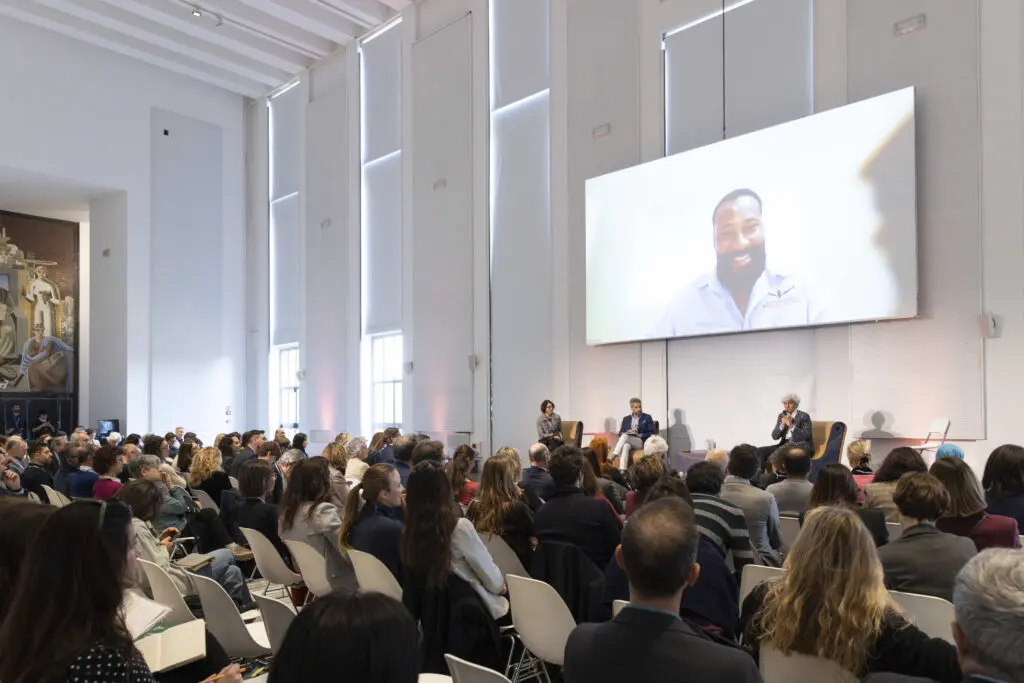
Closer to home, the College’s thought leadership was further recognised at the Regeneration 2030 Forum, an international platform convened by the Regenerative Society Foundation. The forum brings together global voices from business, conservation, and civil society to explore pathways toward a regenerative economy that restores natural capital while strengthening social systems.
Our RISE Project Unit Manager, Sboniso Phakathi, was invited to participate as a panellist in a session exploring diverse approaches to conserving natural capital – from local community perspectives to global institutional efforts.
Another highlight of the year was our joint graduation ceremony on 4 December 2025, celebrating achievements across both Higher Education and Occupational Training programmes. The success of our students remains the clearest indicator that the College continues on the right path. Looking ahead, we are excited by new additions to our accredited offerings, including the National Diploma in Applied Natural Resource Management and the much-anticipated Eco-Ranger Programme.
As we step into the year ahead, we do so with renewed determination, strengthened expertise, and an unwavering belief in the role of conservation education in shaping a more sustainable future. Thank you for being part of this journey with us.
We wish all our supporters, partners, students, and friends a peaceful, restorative, and joy-filled festive season, and a new year filled with shared purpose in protecting the landscapes and communities we serve.