

Hands-On Training and Skills Development
Our trainers remained deeply engaged in the field, leading practical sessions that included ballistics, bush walks, and dangerous game courses. Together with the Kingfisherspruit Section Ranger, we advanced fire safety and ecological burning initiatives, ensuring landscapes remain resilient and productive. Specialist training was also delivered for industry partners, with exciting new concepts in regenerative landscapes introduced – strengthening the bridge between conservation science and local livelihoods.
Leadership and Strategic Partnerships
To strengthen capacity across the region, Southern African Wildlife College (SAWC) advertised grants enabling conservation organisations to attend the Southern African Development Community (SADC) Wildlife-Based Economy Workshop held at our campus. Preparations also began for the first-ever Transfrontier Conservation Area (TFCA) peer-to-peer learning exchange in the Greater Kruger Landscape – a step toward fostering collaboration between protected areas and communities.
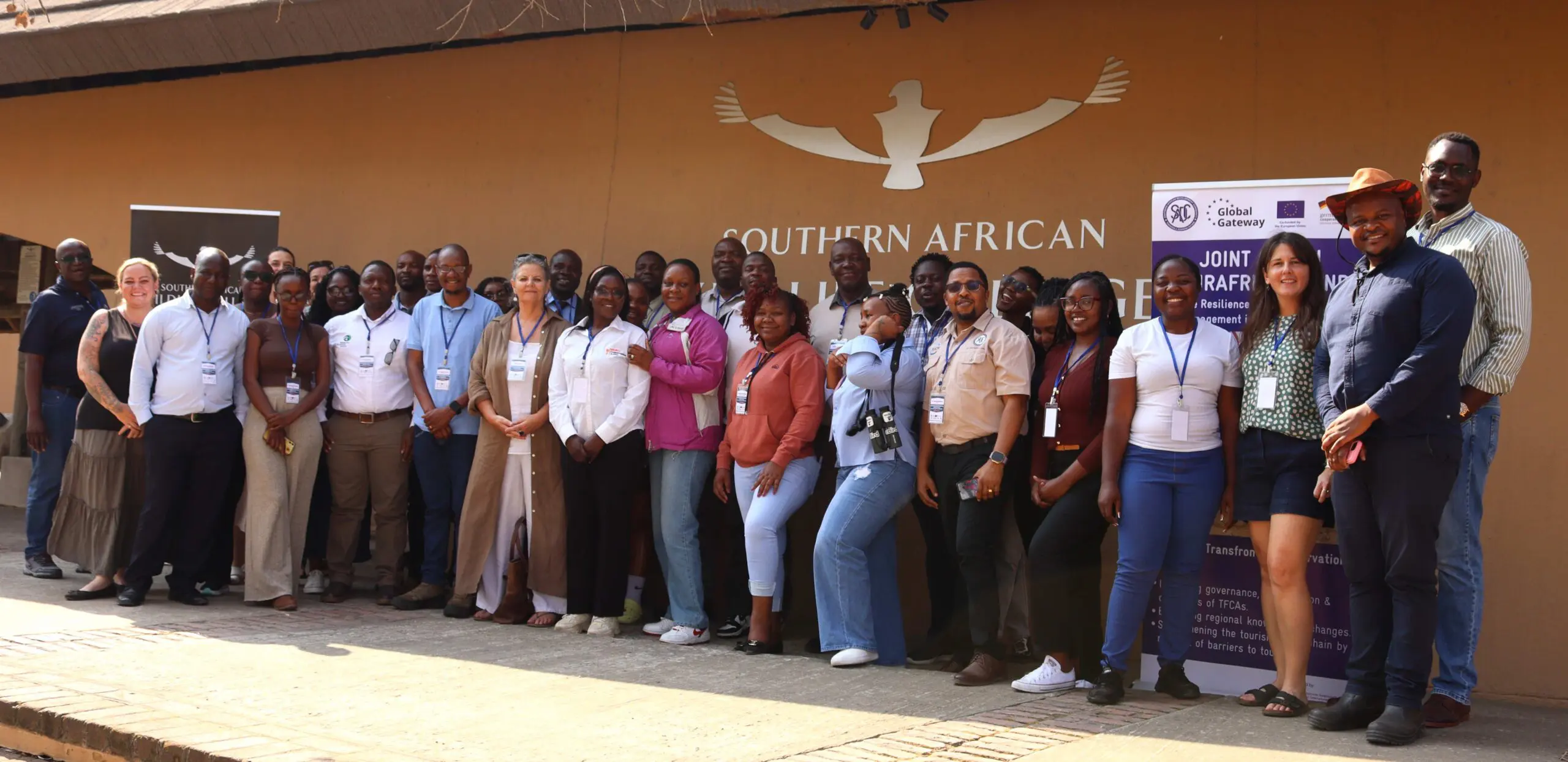
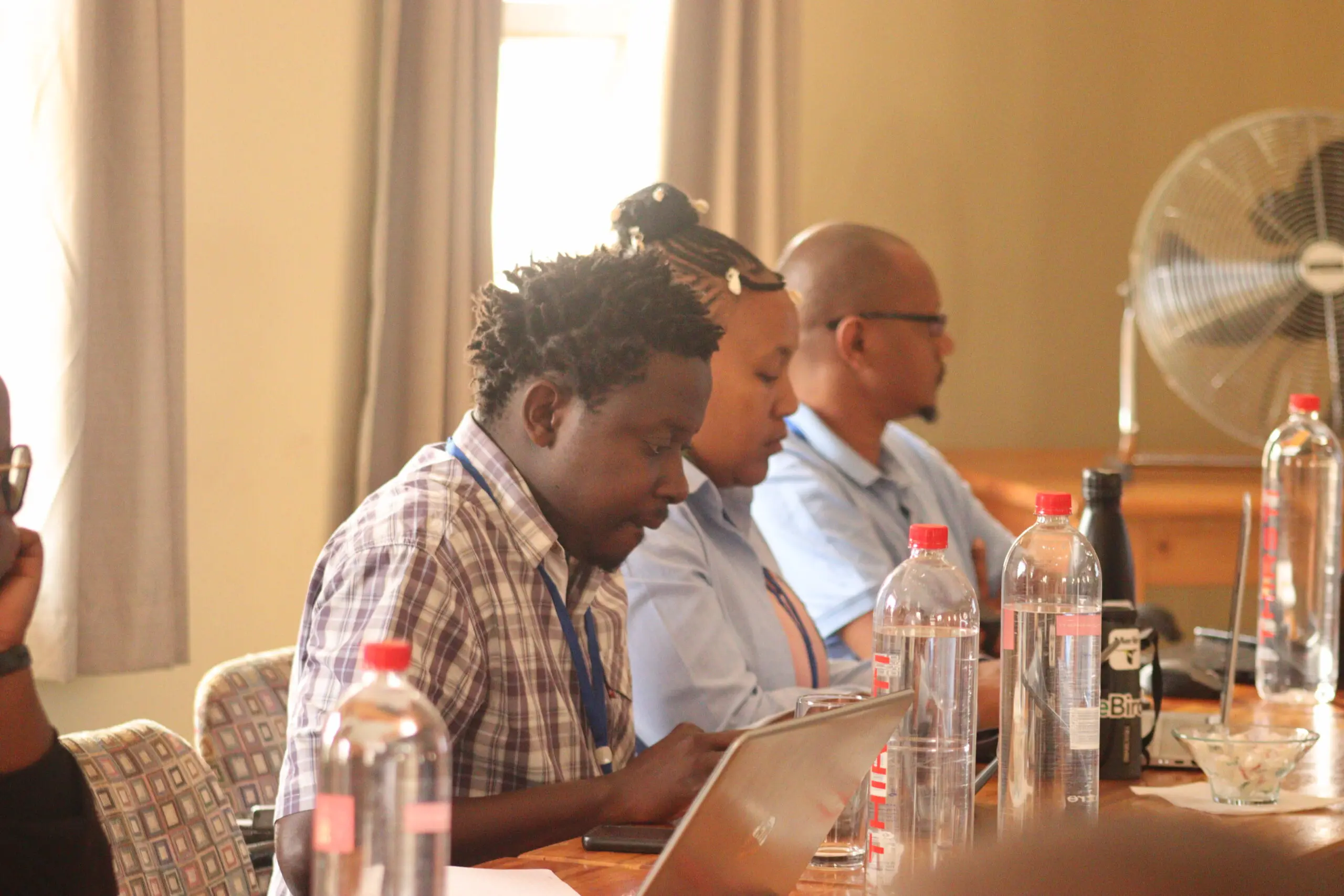
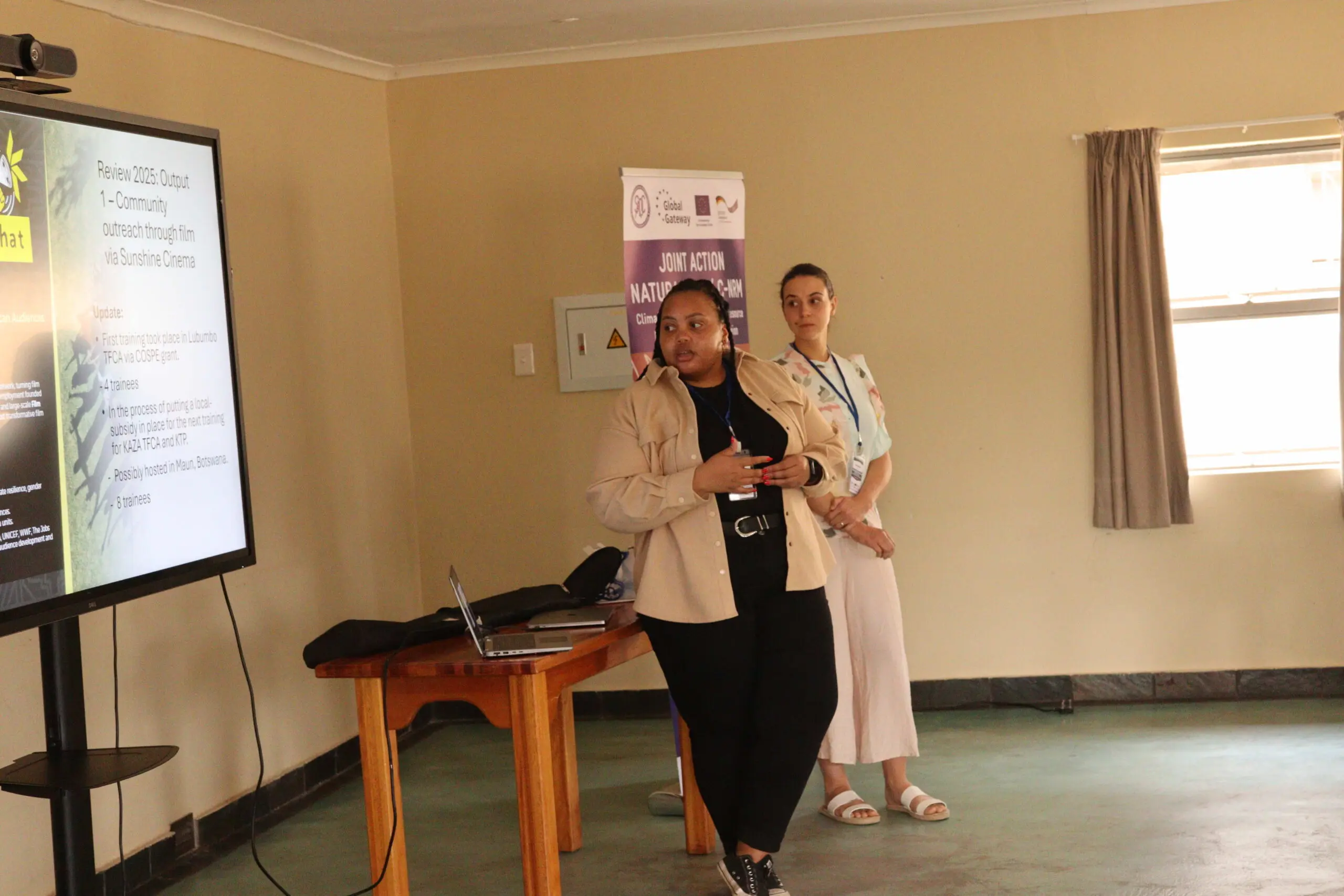

Our leadership role continues to grow, with South African National Parks (SANParks) Honorary Rangers approaching us to develop a Game Guarding programme. New Memoranda of Understanding were signed with Realife Learning Africa and South African Black Hunters & Sport Shooting Association (SABHSSA), opening doors for future collaboration. A key highlight was hosting a high-level German delegation, including KfW management and the German Minister for Development and Cooperation, which strengthened international partnerships and support for our work.
The Herding Academy: Expanding a Regional Footprint
The SAWC Herding Academy continues to champion regenerative land management across Southern Africa. This quarter, it secured training contracts with the Vhembe Biosphere Reserve, Namibia’s Chobe Enclave, and WildCat in Botswana – expanding its influence across borders. The Academy also hosted the Capacitating One Health in Eastern and Southern Africa (COHESA) One Health Boot Camp, where participants engaged with SAWC’s waste management systems, experienced K9 demonstrations, and explored the herding programme in action.
Through outreach and communication efforts led by Pieter Nel, the Academy has been amplifying awareness of herding-for-health approaches through articles, online platforms, and direct community engagement. Initiatives in Mozambique further strengthened regional momentum, driving home the message that sustainable herding practices are key to balancing people’s needs with ecosystem health.
A Hub for Global Learning
The College remains a destination for research, training, and cross-cultural exchange. This quarter, we welcomed visiting groups of students and conservation practitioners from across the world. Their experiences included marula tree research, cultural learning exchanges, K9 training, anti-poaching strategy workshops, rhino dehorning operations, and ranger camp immersions. Community students even joined Airwing outreach flights, inspiring the next generation of conservation leaders.
Regional and Continental Leadership
The College played an active role in continental dialogue, co-hosting a side event at the SADC TFCA Conference with African Leadership University School of Wildlife Conservation (ALU-SOWC) and African Wildlife Economy Institute (AWEI) on “Unlocking the Potential of Wildlife Economies for Livelihoods and Prosperity.” We also signed a financial commitment agreement with international partners on World Biodiversity Day, reinforcing our pledge to sustainable wildlife economies. Participation in workshops on wildlife ecology research, hunting curriculum reform, and lead-free ammunition ensured that SAWC continues to shape policy and best practice in the conservation sector.
Looking Ahead
This quarter has highlighted the power of partnerships, innovation, and education in building a resilient nature-based economy. From influencing continental wildlife economy conversations to equipping young learners and professionals with conservation skills, the SAWC remains committed to ensuring that people and nature thrive together.
We extend heartfelt thanks to our staff, learners, partners, and supporters for journeying with us. Together, we are laying the foundation for a thriving, sustainable future – one where nature is not only protected, but also drives prosperity.