In the first year of implementing the new Southern African Wildlife College (SAWC) Strategy 2030 plan, the Nature-Based Economy (NBE) thematic area demonstrated strong leadership and steady growth throughout 2025. The year reinforced the SAWC’s role as a regional training institution for the responsible use of natural resources, regenerative land management, and wildlife economy development. This period was characterised by expanded partnerships, regional and international engagement, new training innovations, and increased strategic visibility.
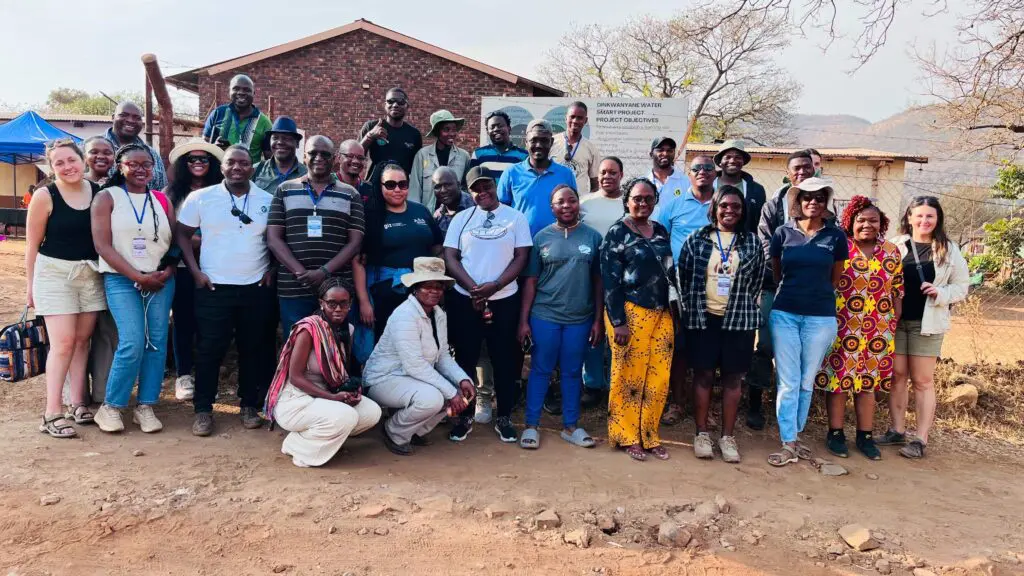
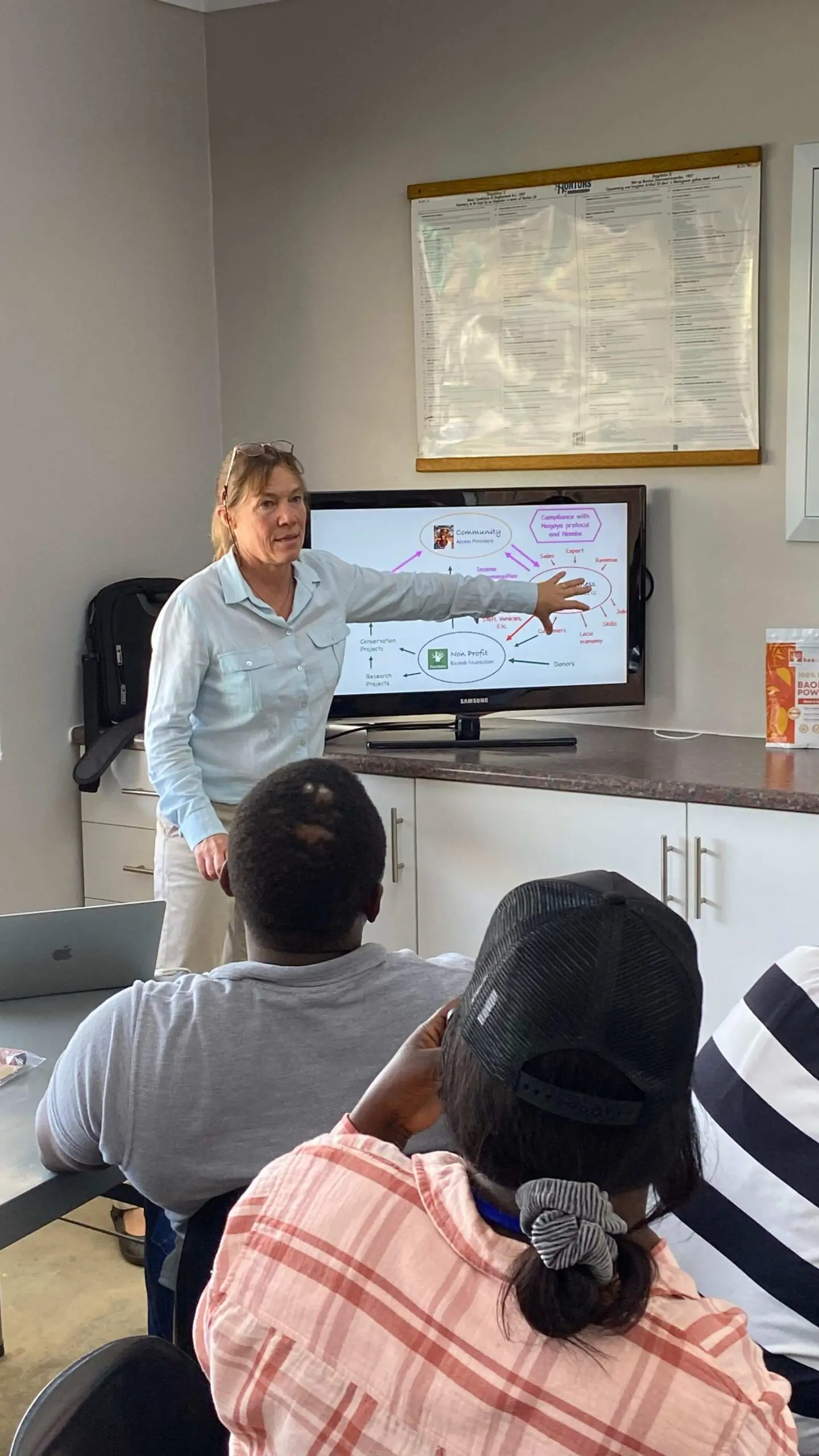
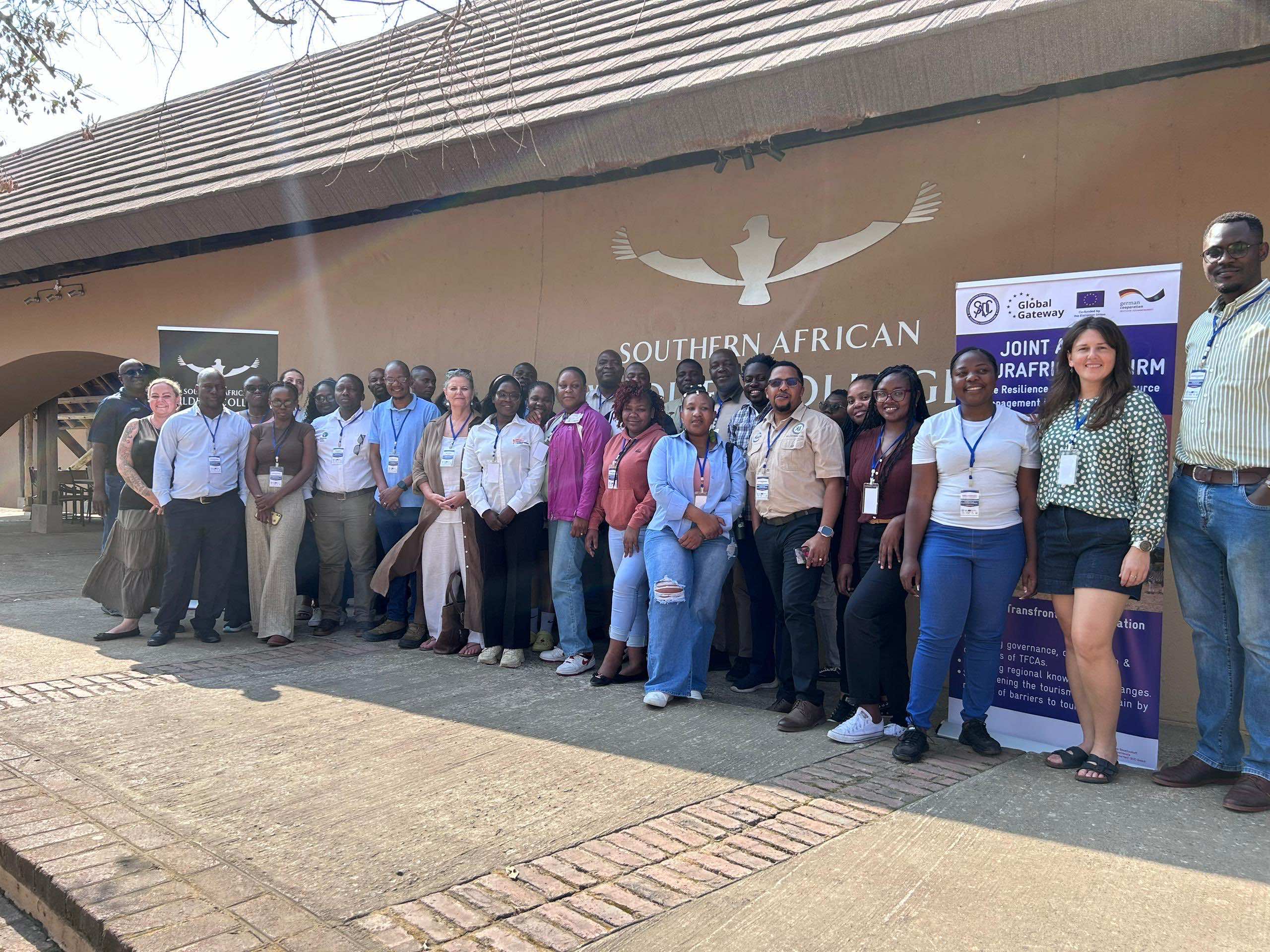
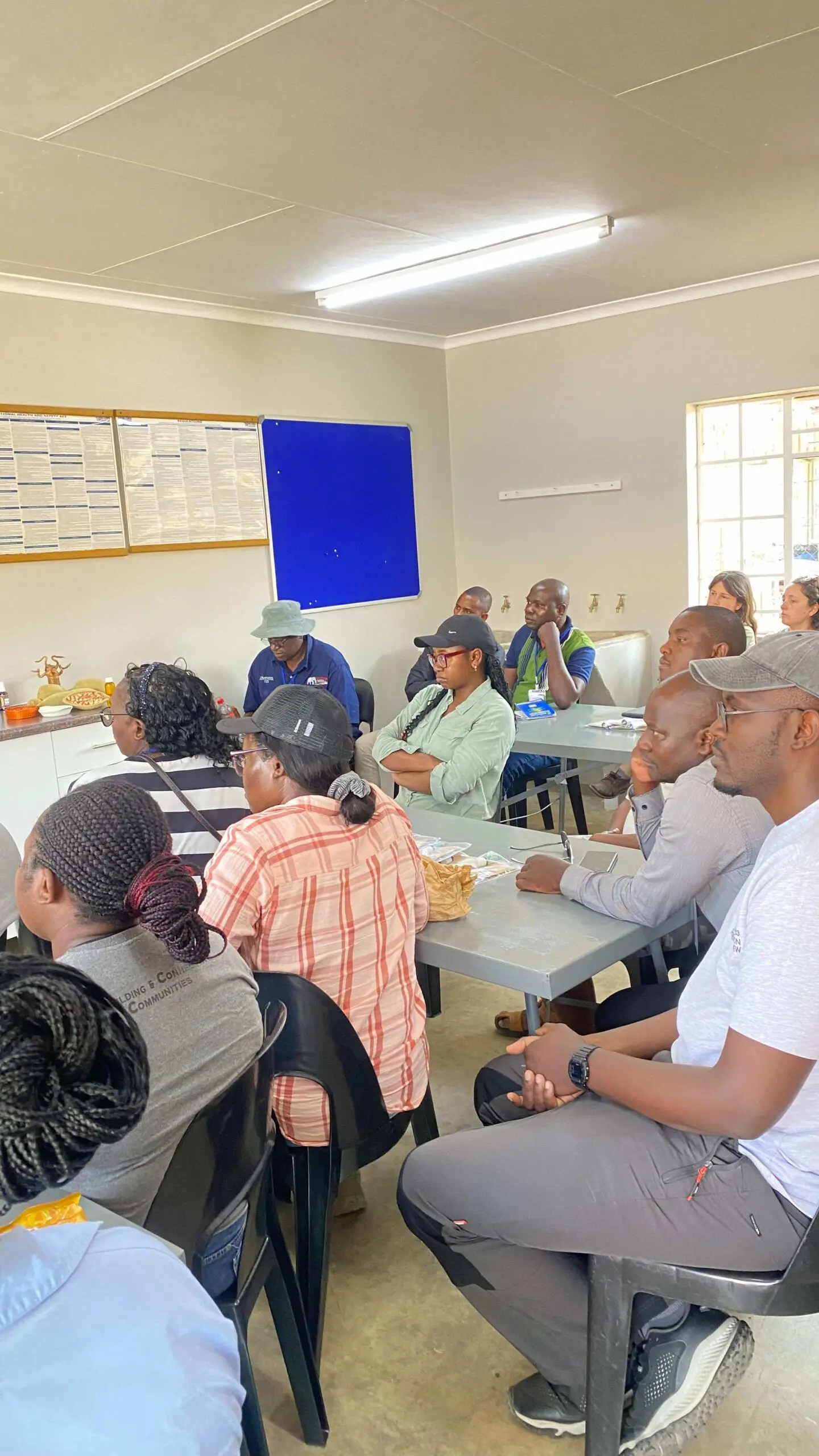
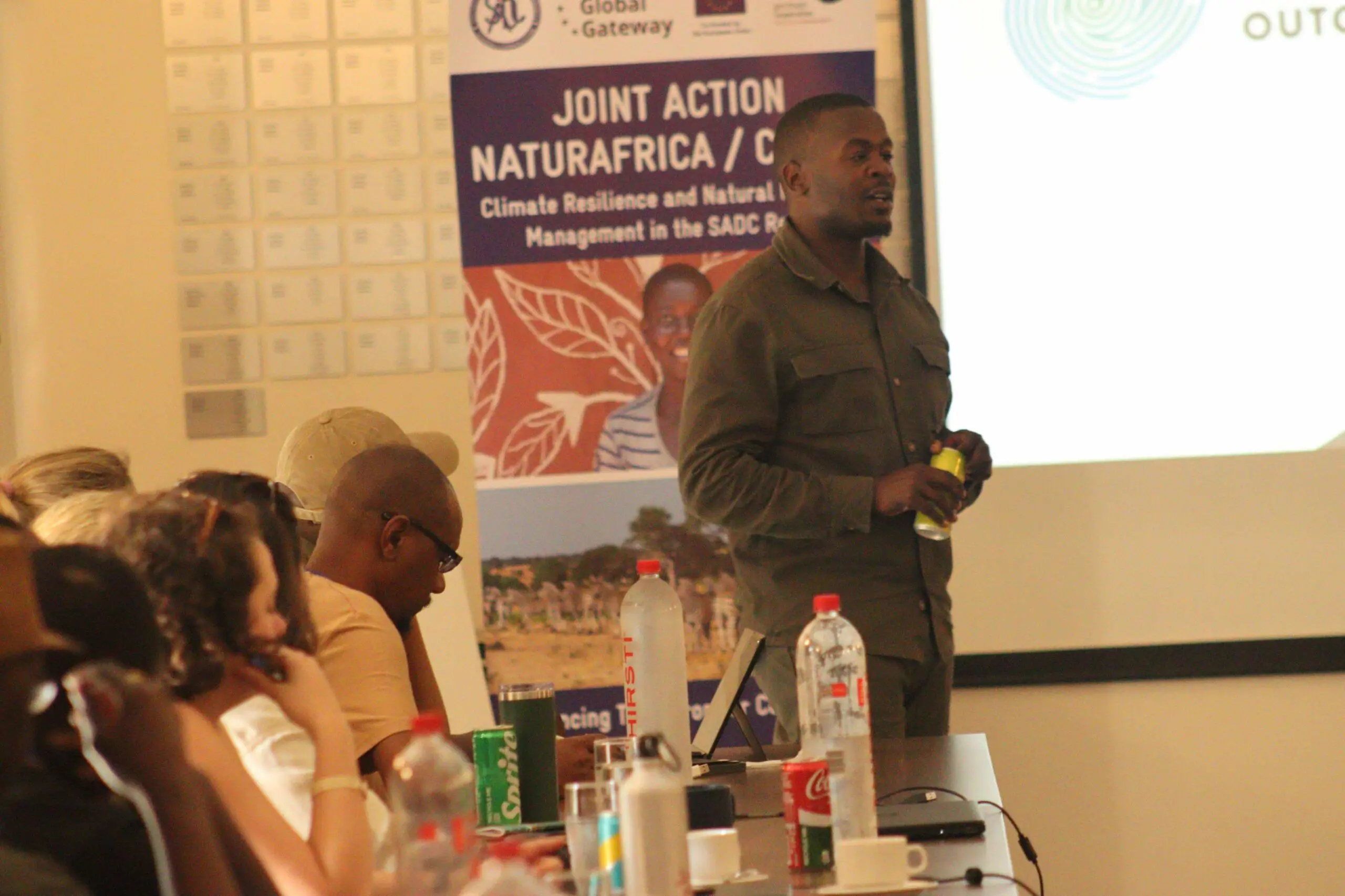
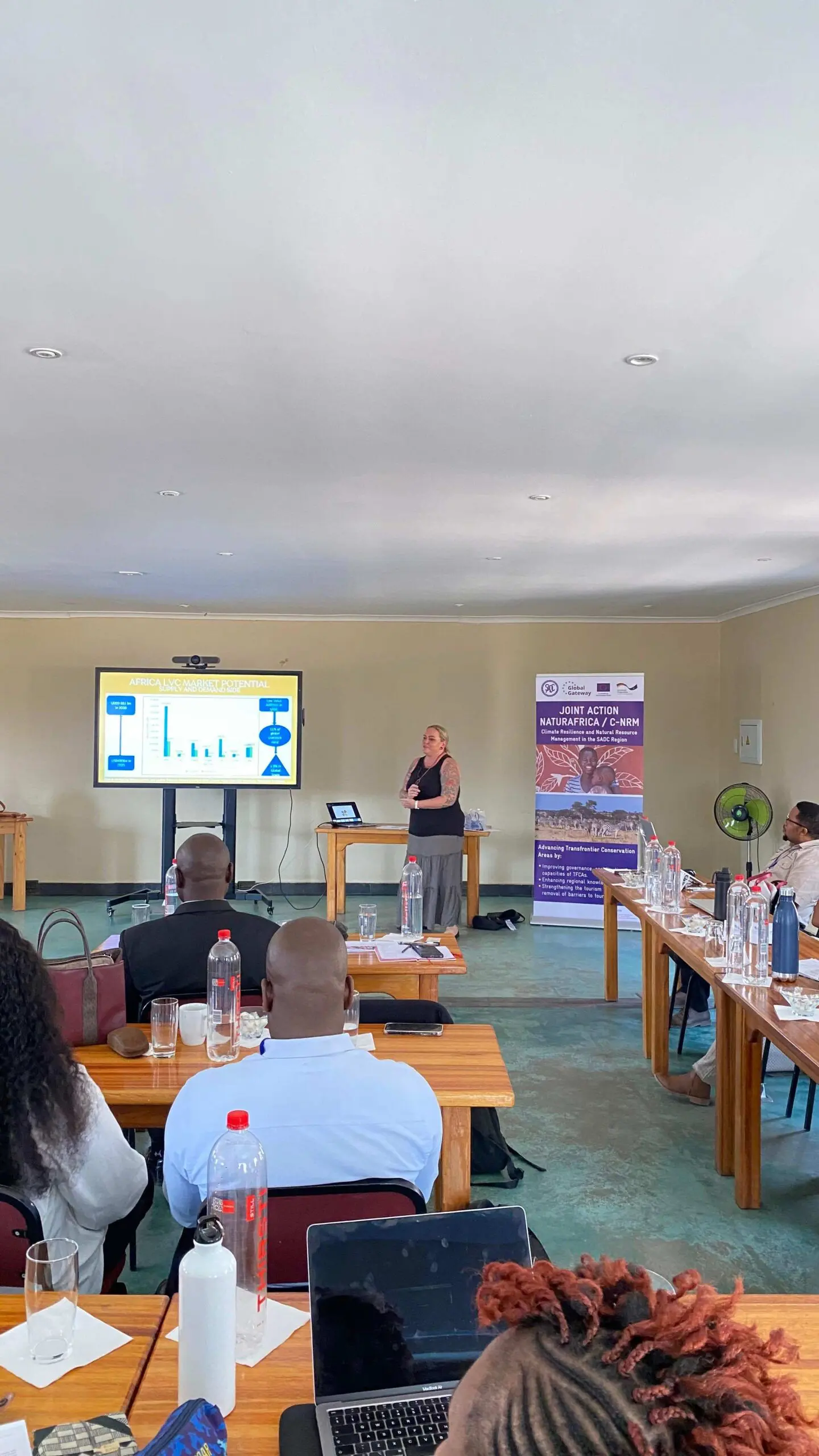
A major highlight was the successful hosting of the inaugural Southern African Development Community (SADC) Transfrontier Conservation Area (TFCA) Peer-to-Peer Learning Exchange on Wildlife-Based Economy and Livelihoods, held in September. Supported by the Joint Action NaturAfrica/Climate Resilience and Natural Resource Management (C-NRM) Programme, the five-day exchange brought together 25 participants from 12 TFCAs across the SADC region. Running as an ongoing project until the fourth quarter of 2026, the exchange created a valuable platform for collaboration and knowledge-sharing on strengthening wildlife economies to improve livelihoods and regional prosperity.

Partnerships and Collaborations
The NBE team made significant progress in building and strengthening strategic partnerships. Formal engagements were initiated or advanced with the Kruger to Canyons (K2C) Biosphere Region (with a Memorandum of Understanding due for signing before year-end), Realife Learning Africa (MOU under review), and the Endangered Wildlife Trust (EWT). These partnerships aim to support collaborative programming in regenerative landscapes, rangeland management, and community-based conservation.
In parallel, the NBE team, working closely with the Chief Executive Officer’s office and continued engagements with the Department of Forestry, Fisheries and the Environment (DFFE). This collaboration supported progress towards renewing the College’s Memorandum of Understanding with the Department and strengthened the College’s role in national conservation capacity development, particularly in relation to the National Biodiversity Economy Strategy.
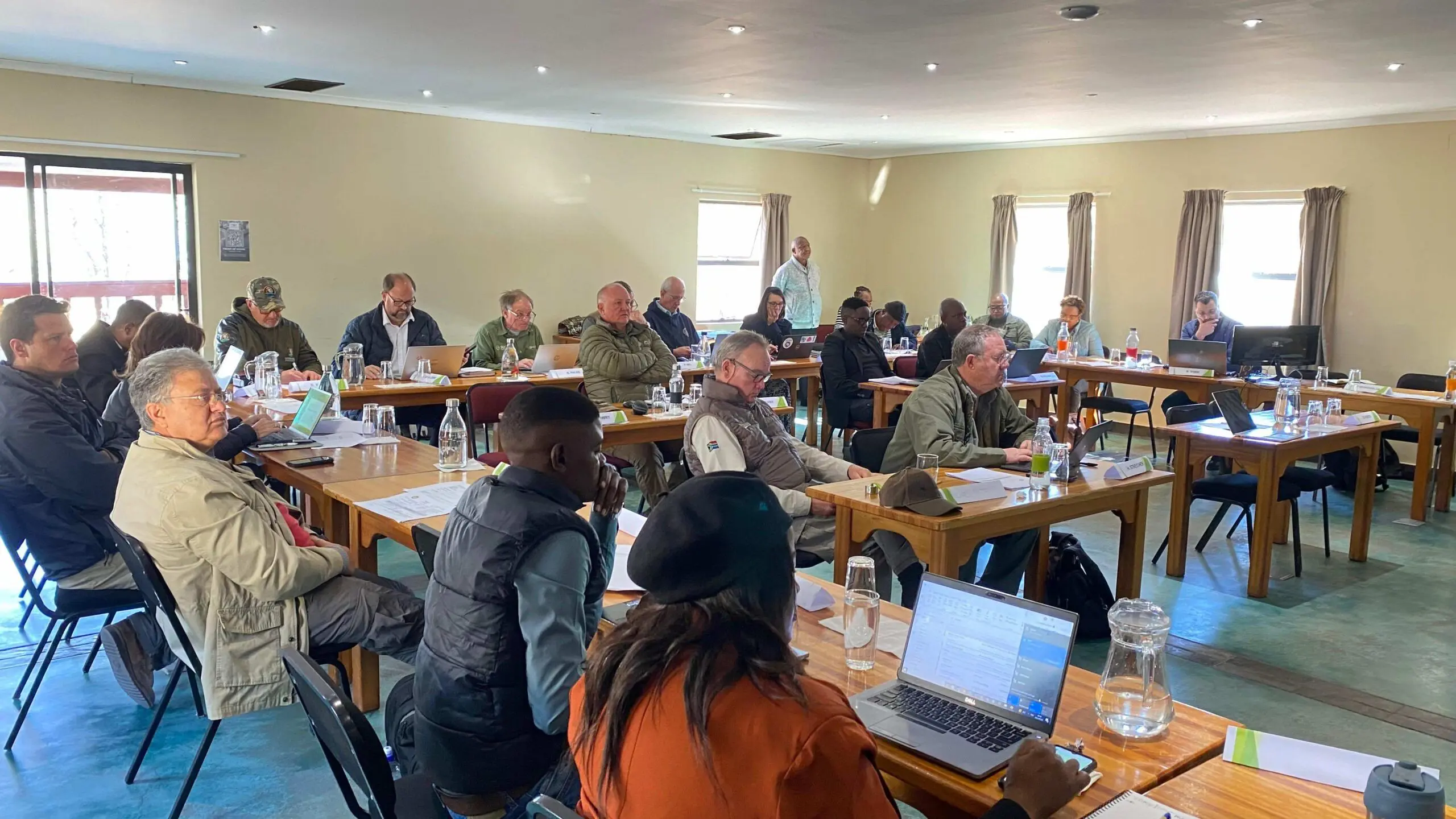
In addition, the department hosted the first South African National Defence Force (SANDF)–SAWC Consultative Forum on the Wildlife Economy, positioning the College as a preferred service provider for future capacity building under SANDF’s Production Brigade programme, anticipated to develop in 2026.
Through these achievements, all three NBE units – the Responsible Resource Use Unit, the Herding Academy, and the Specialised Educational Programmes Unit – demonstrated meaningful progress in advancing conservation-linked livelihoods, professional training, and advocacy across Southern Africa and beyond.
Professional Development and Leadership
Leadership visibility within the NBE grew notably during the year. The NBE Lead, Dr Teffo, was elected Head of the National Delegation for South Africa to the International Council for Game and Wildlife Conservation (CIC), reflecting growing recognition of the College’s expertise and influence.
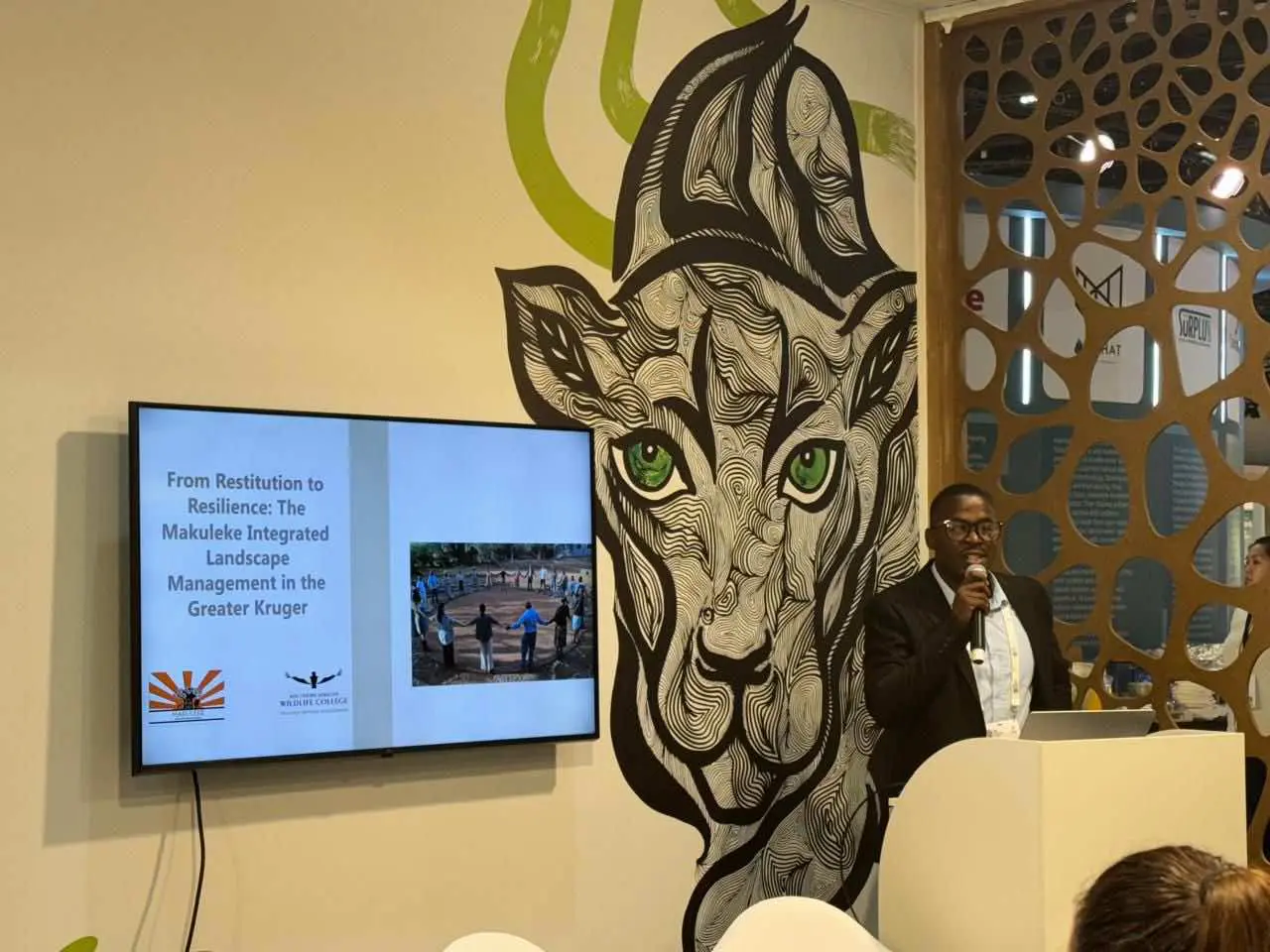
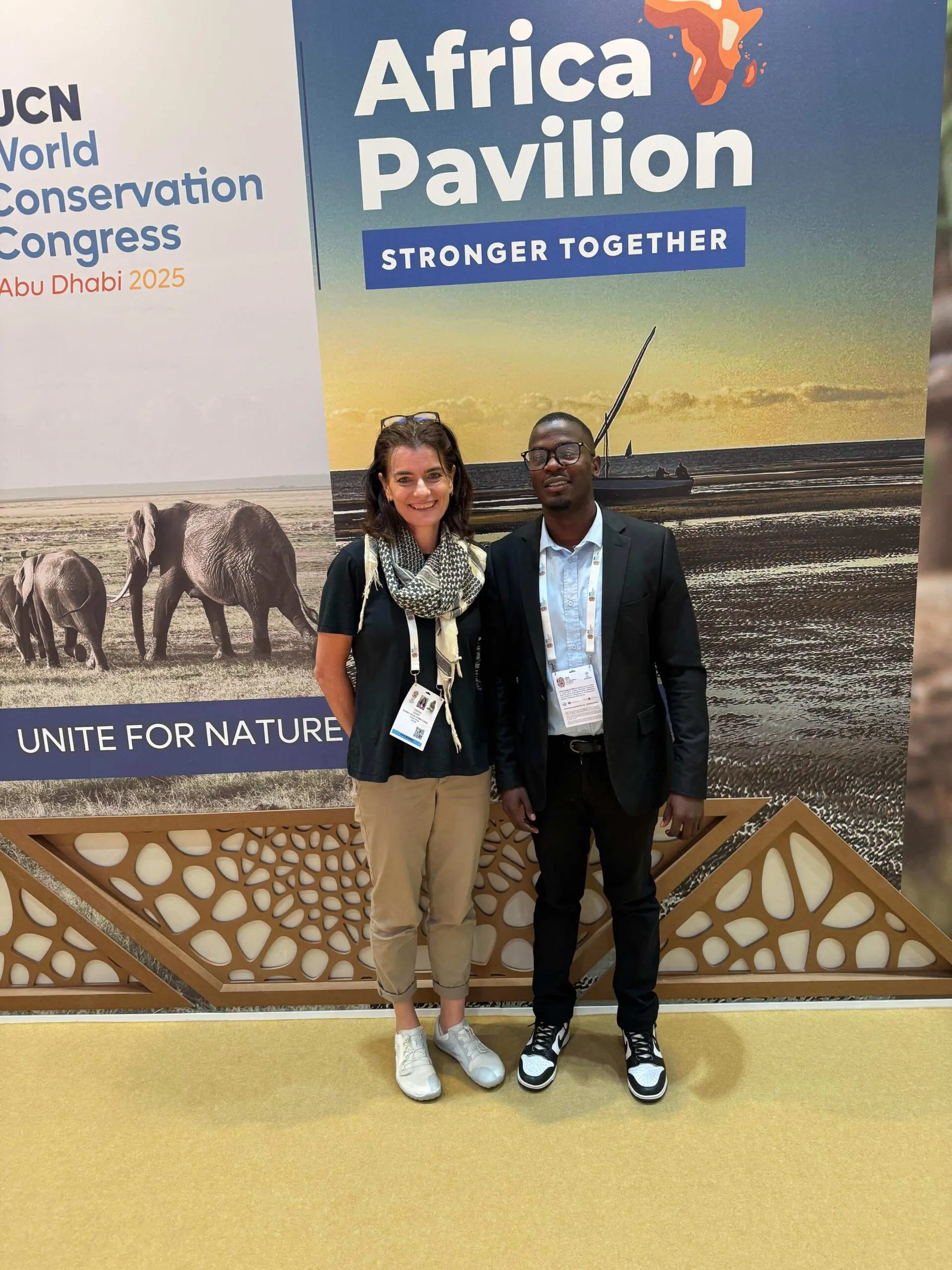
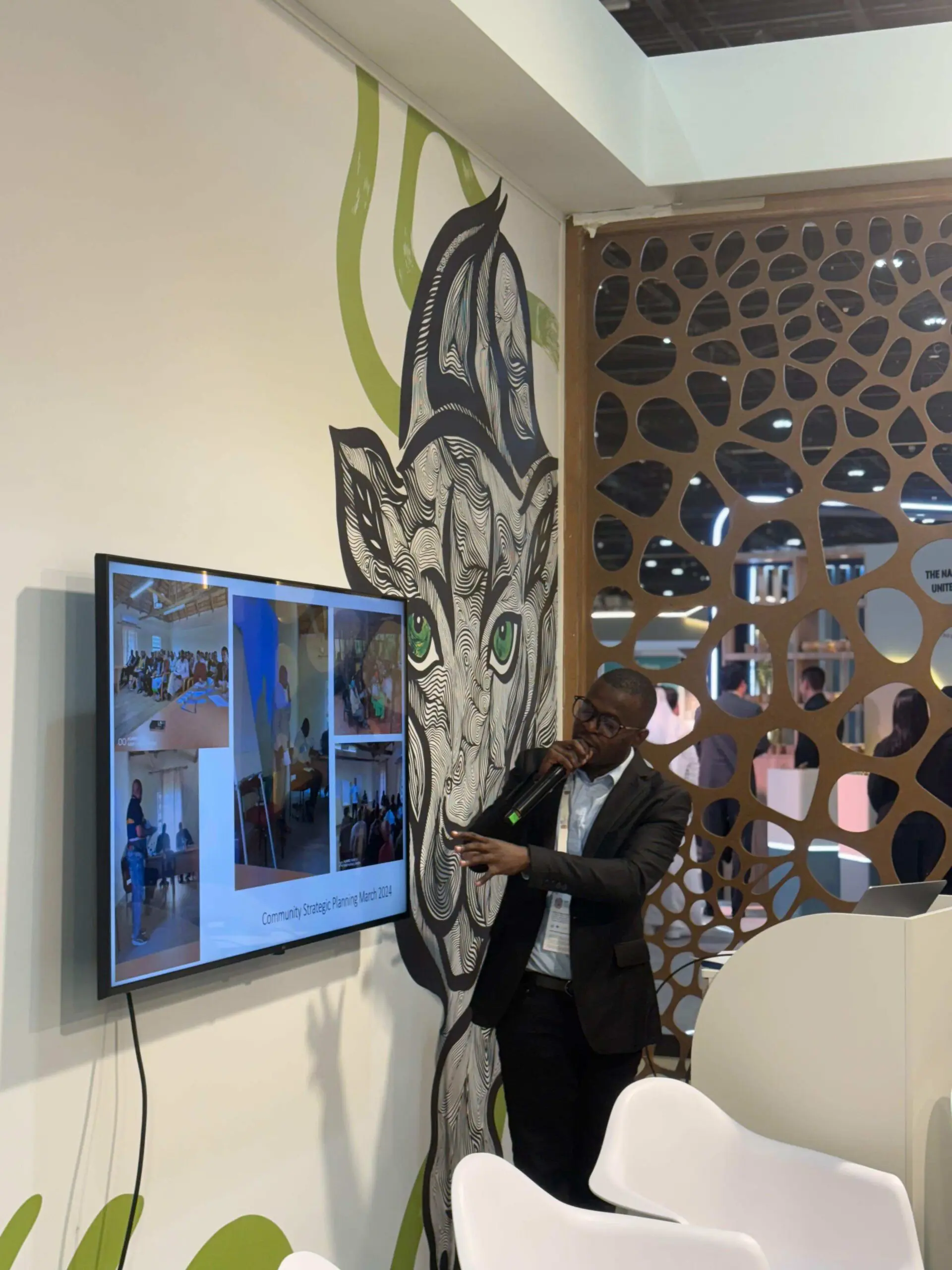
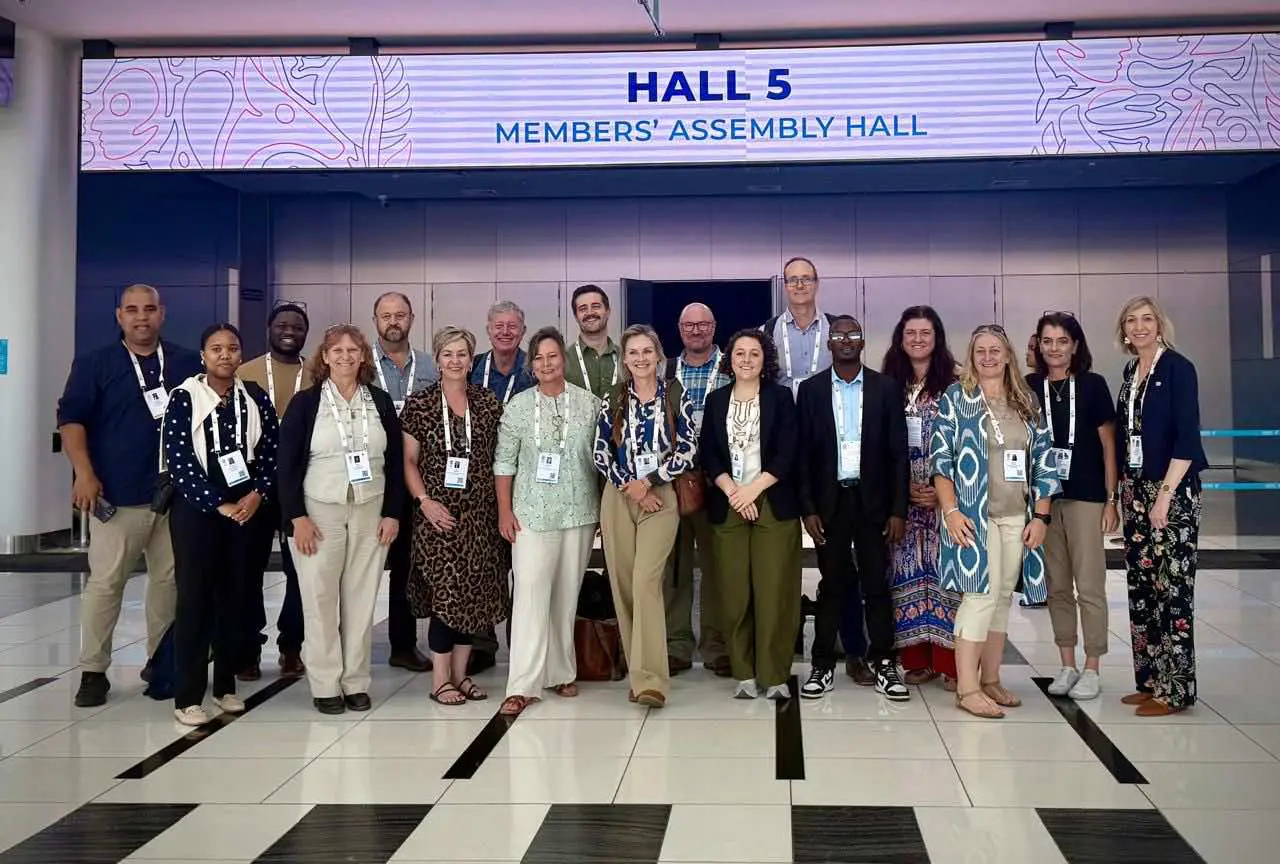
NBE leadership and staff also contributed to key conferences and strategic platforms. Alongside the SAWC Chief Executive Officer, the team represented the College at the International Union for Conservation of Nature (IUCN) World Conservation Congress in Abu Dhabi, sharing work on landscape restoration and community conservation undertaken with the Makuleke community and Commonland. Dr Teffo was also selected to participate in a fully funded Transformative Leadership for Conservation programme facilitated by Leadership for Conservation Africa. In parallel, the NBE Senior Trainer and Practitioner continued professional development through participation in the annual Herding for Health Indaba and additional Safety, Security, Health, Environment, and Quality (SSHEQ) training.
Training Programmes and Innovation
Training and capacity building remained central to the NBE’s work. Across all units, a wide range of technical and professional courses were delivered, including Specialist Dangerous Game, Elephant and Buffalo, Shot Placement and Ballistics workshops, Resource Economics lectures at National Qualifications Framework (NQF) Level 6, Professional Herder Team Leader, and Professional Herding programmes.
The Herding Academy expanded its regional footprint, delivering training to participants from Peace Parks Foundation, Conservation South Africa, and the Vhembe Biosphere Reserve, as well as professional herders in Namibia’s Kongola region and Botswana through partnerships with CLAWS Conservancy and ReHerd Africa. Continued participation in regional Herding for Health knowledge exchange platforms further supported curriculum refinement and regional cooperation.
In response to emerging needs, the department collaborated with the K2C Biosphere to develop a new Climate Change Adaptation for Rural Communities course. This programme is designed to strengthen climate resilience, sustainable land management, and rangeland stewardship at both community and trainer levels.
The course was formally submitted for institutional accreditation, with all compliance documentation completed. The College has since received official confirmation of institutional accreditation for the Climate Change Adaptation for Rural Communities programme, marking another important milestone in the expansion of NBE training offerings.
Through its partnerships, leadership, and practical training programmes, the Nature-Based Economy thematic area continues to position the College at the forefront of conservation-linked livelihoods and sustainable land use – building capacity that supports both people and nature across the region.