By Christopher Kafoteka
National Certificate: Natural Resource Management, Terrestrial (NQF Level 5)
We are delighted to share the outstanding achievements of 26 students who successfully completed the one-year occupational qualification in Protected Area Management, completing the National Certificate in Natural Resource Management, Terrestrial (NQF Level 5).
Graduates were equipped with the knowledge, skills, and attitudes required to manage protected areas at an operational level, optimise resources, and ensure compliance with conservation legislation. We extend our heartfelt gratitude to our donors, partners, and supporters for their unwavering commitment to conservation education and capacity building and for making these students’ studies possible.
Through our innovative applied learning approach, students benefited from expert facilitators and lecturers, immersive field excursions, and personalised mentorship. This was supported by contact and practical sessions, as well as a cutting-edge Google Classroom platform. As these dedicated individuals graduated on 4 December 2025 and embark on their conservation journeys, we are confident that they will drive positive change and contribute meaningfully to the preservation of our planet’s natural heritage.
Youth Access: Conservation Bridging Programme
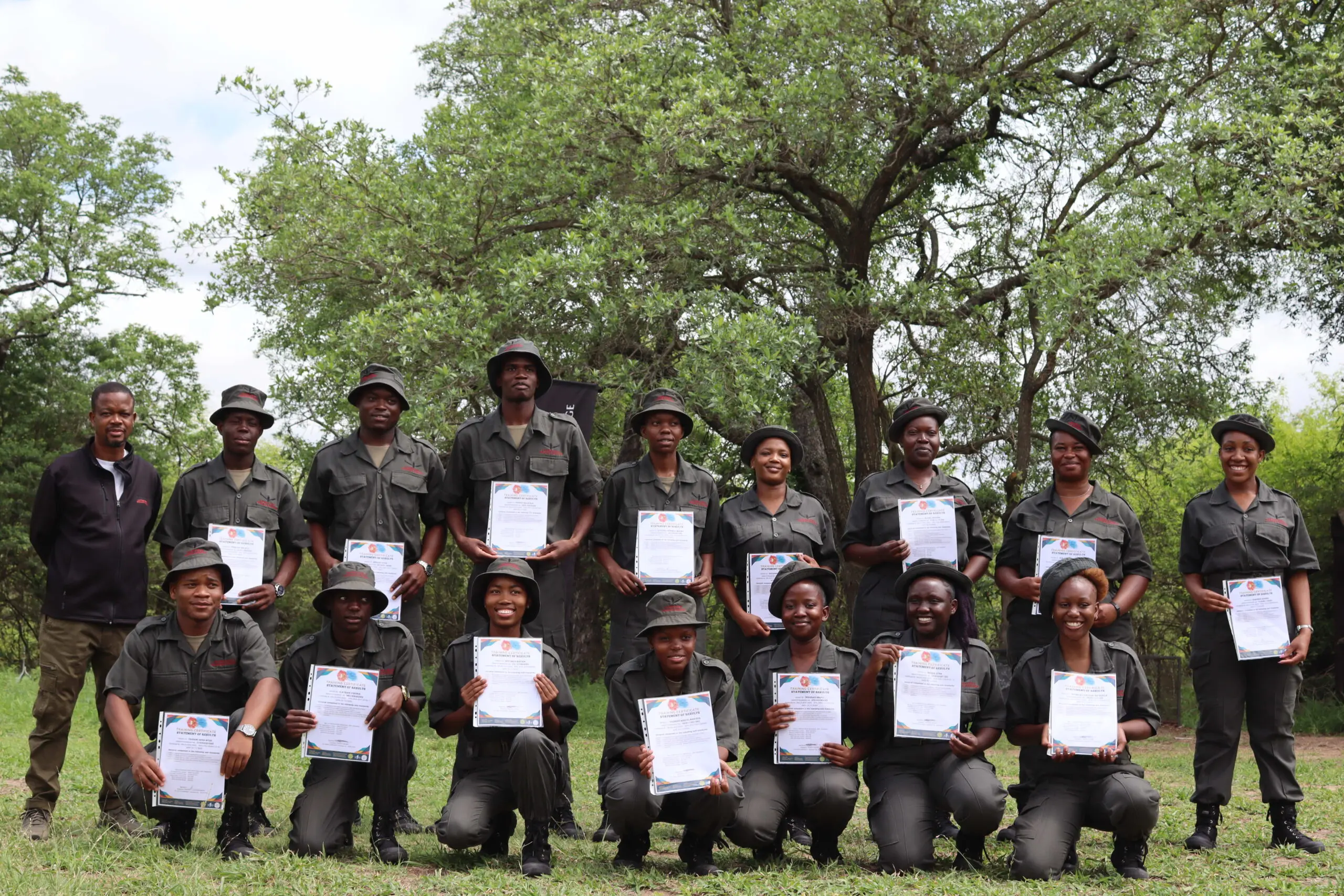
We are proud to celebrate the achievements of 15 talented youths from Gauteng, Limpopo, Mpumalanga, and the North West provinces who successfully completed the six-month Youth Access Conservation Bridging Programme. This impactful initiative was made possible through the generous support of donors including Friends of African Wildlife (FoAW), Hans Hoheisen Charitable Trust (HHCT), Italtile and Ceramic Foundation, Metamorphosis Foundation, and the Timbavati Foundation.
The programme equipped school-leavers with essential skills and knowledge, empowering them to pursue careers in conservation and environmental education. We are pleased to report an impressive pass rate of over 80% in the Quality Council for Trades and Occupations (QCTO) Final Integrated Supervised Assessment, a testament to both the learners’ dedication and the programme’s effectiveness in bridging the gap between education and employment.
This comprehensive bridging programme focused on developing workplace readiness skills in a fast-paced environment. Participants enhanced their basic computer skills, learning how to use and operate a computer effectively to improve productivity and efficiency. The Basic Communication module strengthened their understanding of communication models and theories, preparing them to apply principles of effective communication within organisational settings. In addition, basic mathematical literacy training enabled them to represent situations mathematically, interpret data, and solve problems with confidence.
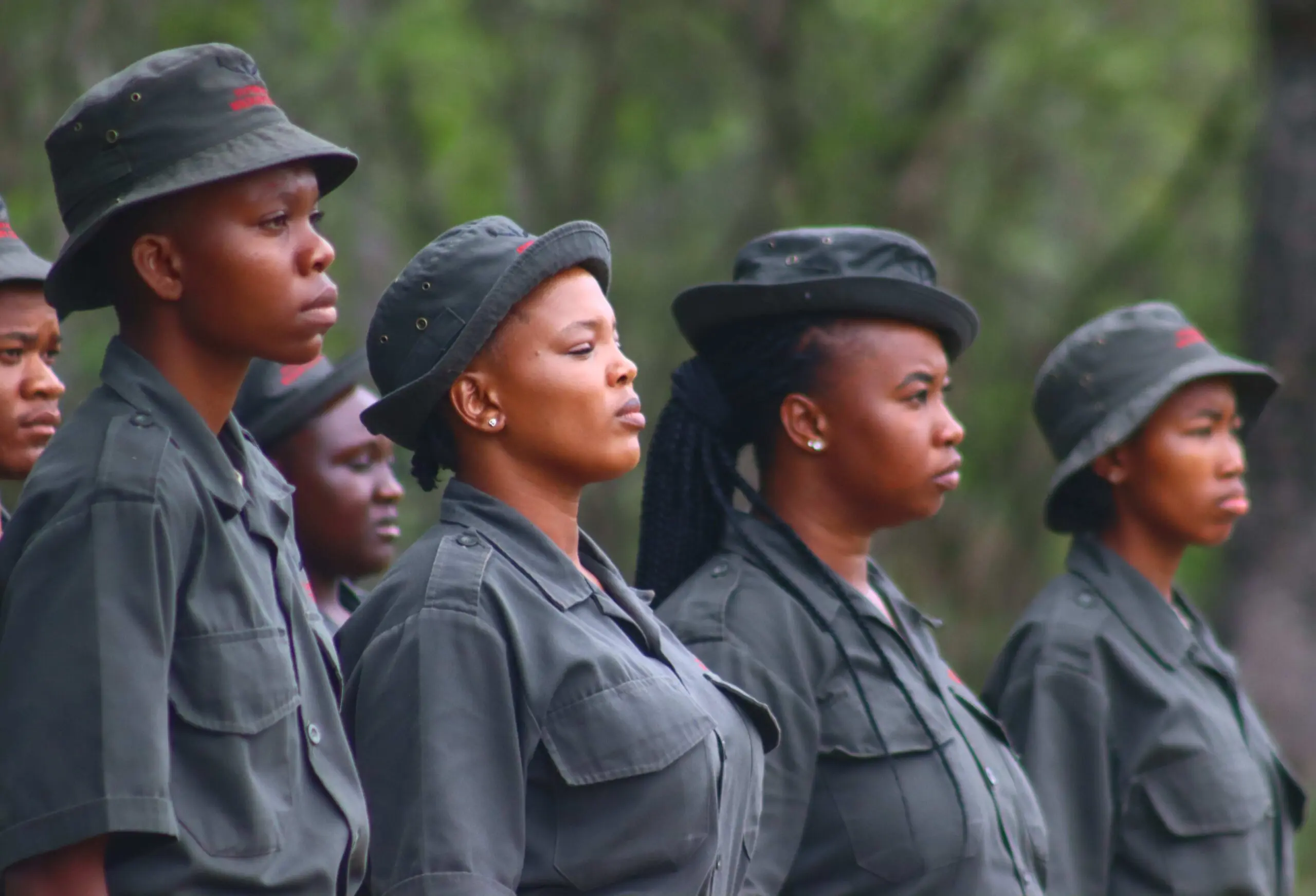
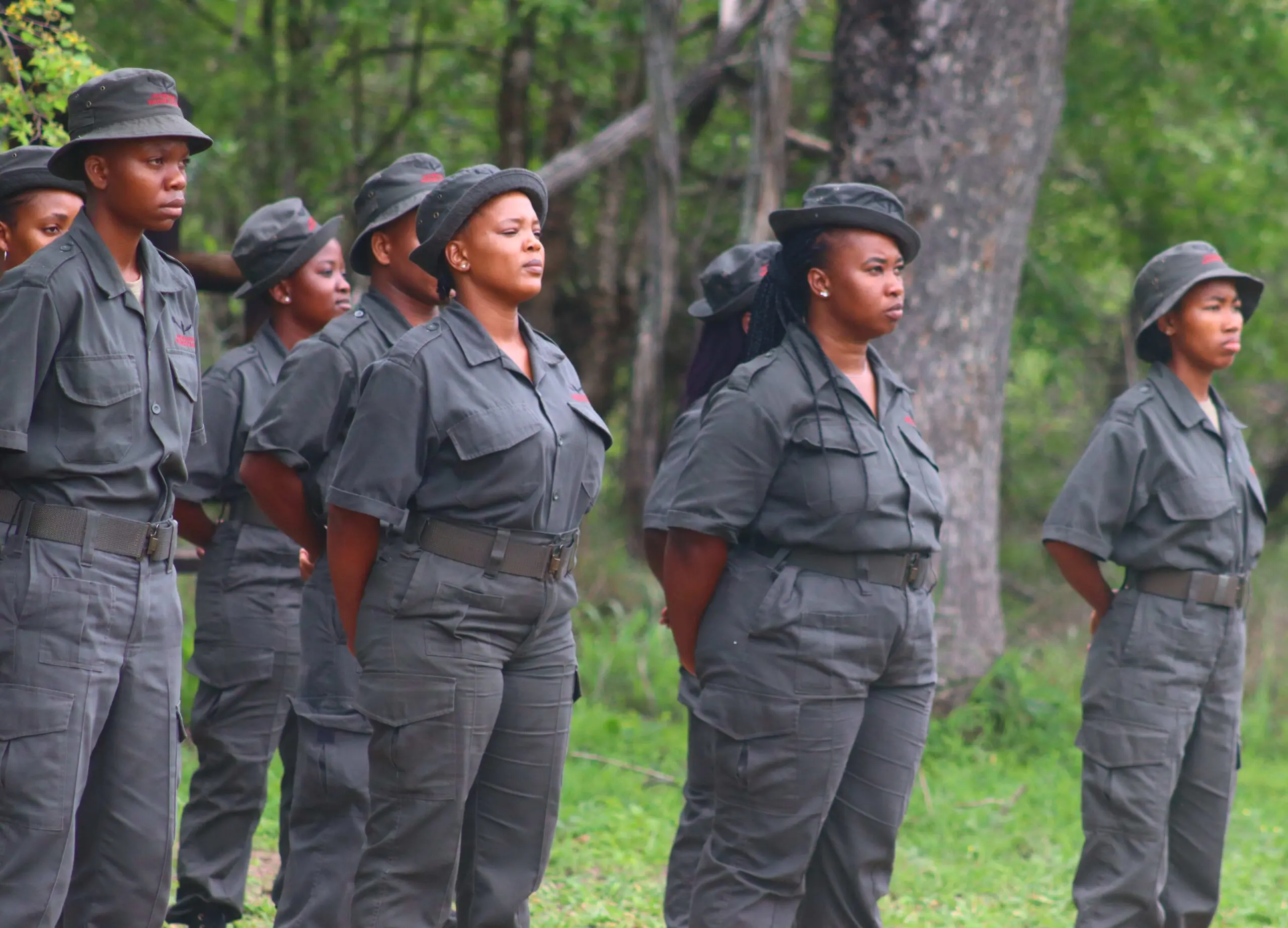
The group further deepened their passion for conservation through the College’s Eco Ranger Programme, where they applied their learning in real-world contexts. Activities included monitoring and protecting endangered species, conducting field surveys, and collecting vital biotic and abiotic data to support biodiversity monitoring. This 2025 cohort now stands ready to unlock their potential and make a meaningful difference in both the workplace and the environment.