

By Dr Kudakwashe Musengi
Over two action-packed weeks, our Natural Resource Management Diploma students stepped out of the online classroom and into the real world of conservation, community engagement, and environmental education. These practical activities formed a vital part of their experiential learning, giving them the opportunity to apply their knowledge, develop leadership skills, and experience first-hand the challenges and rewards of working in the field.
Walk at Andover Nature Reserve
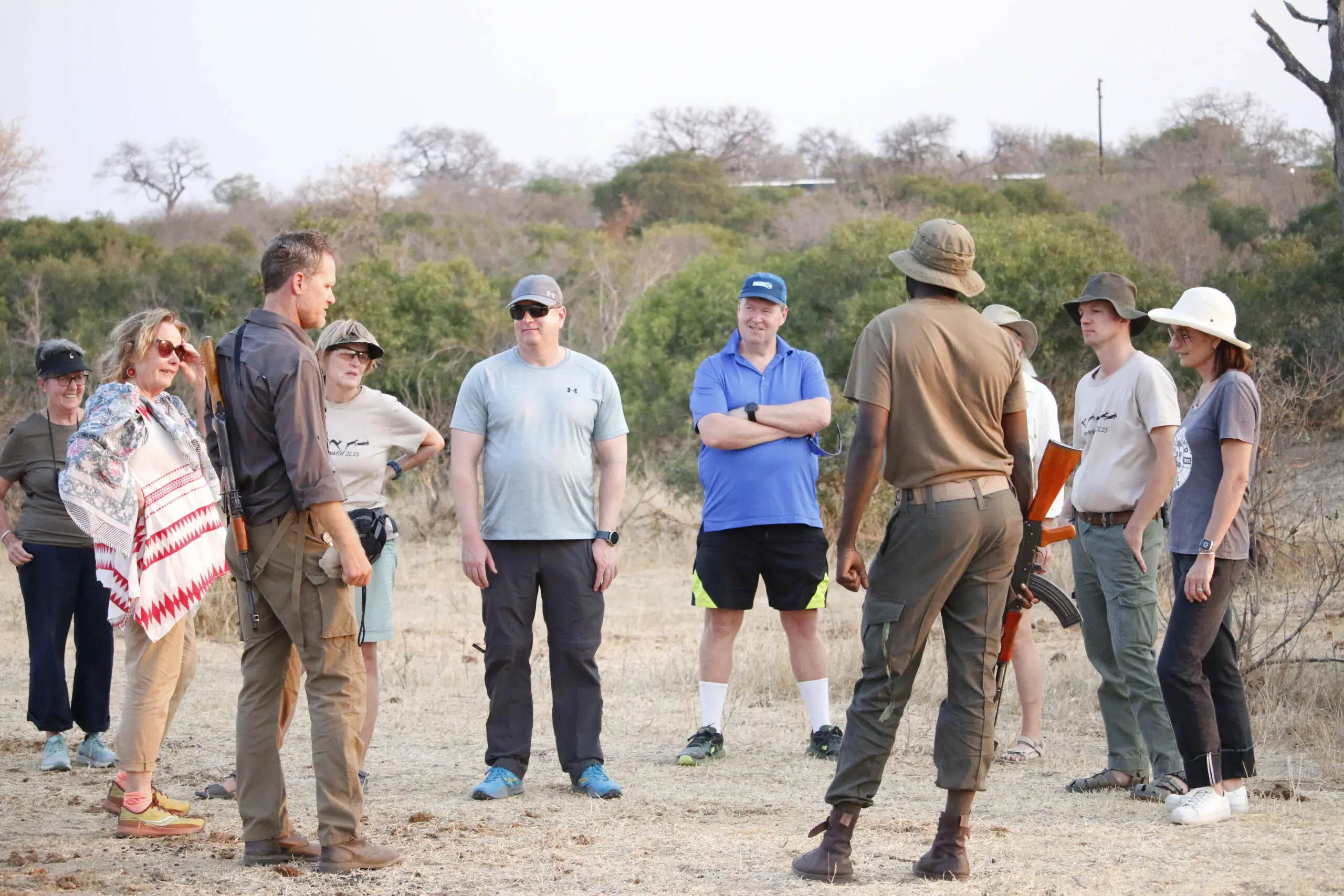
The first activity involved a guided walk at Andover Nature Reserve. Students explored the bush in small groups, mapping natural features, identifying dominant plant species, and assessing vegetation cover across different habitat types. This hands-on experience sharpened their ecological observation skills and deepened their understanding of the reserve’s biodiversity.
Running the “Running Wild” Event: Skills, Teamwork, and Real-World Planning
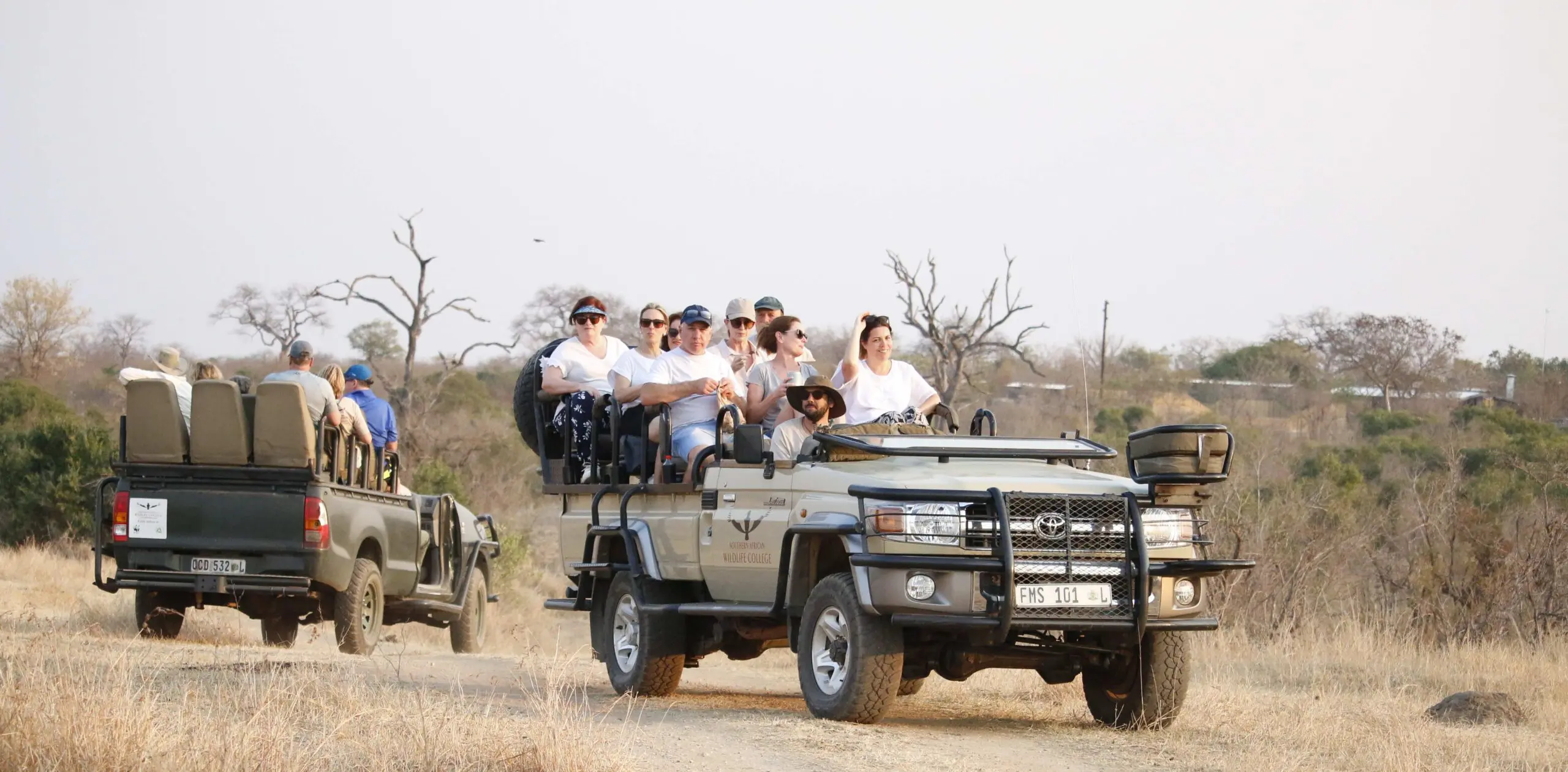
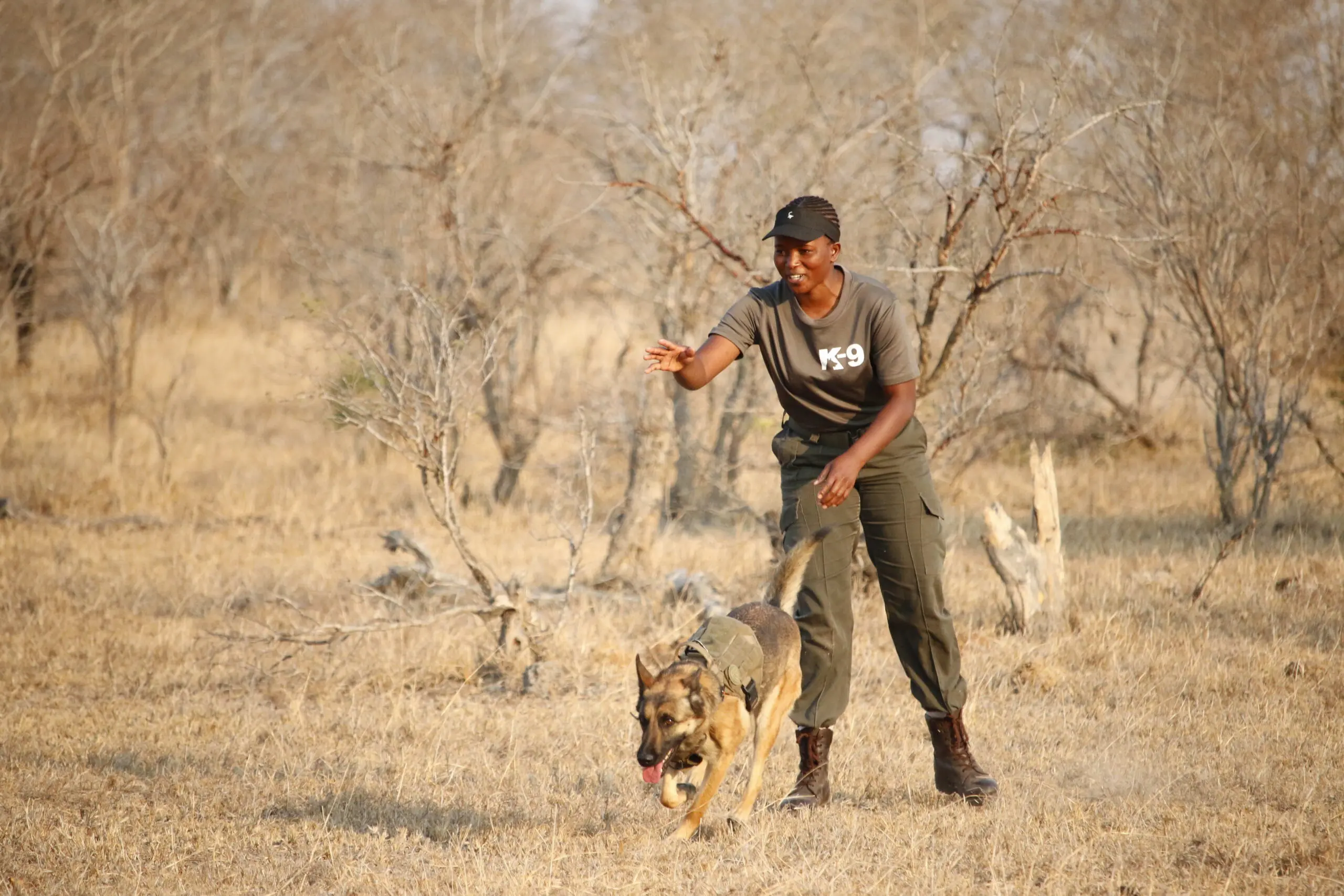
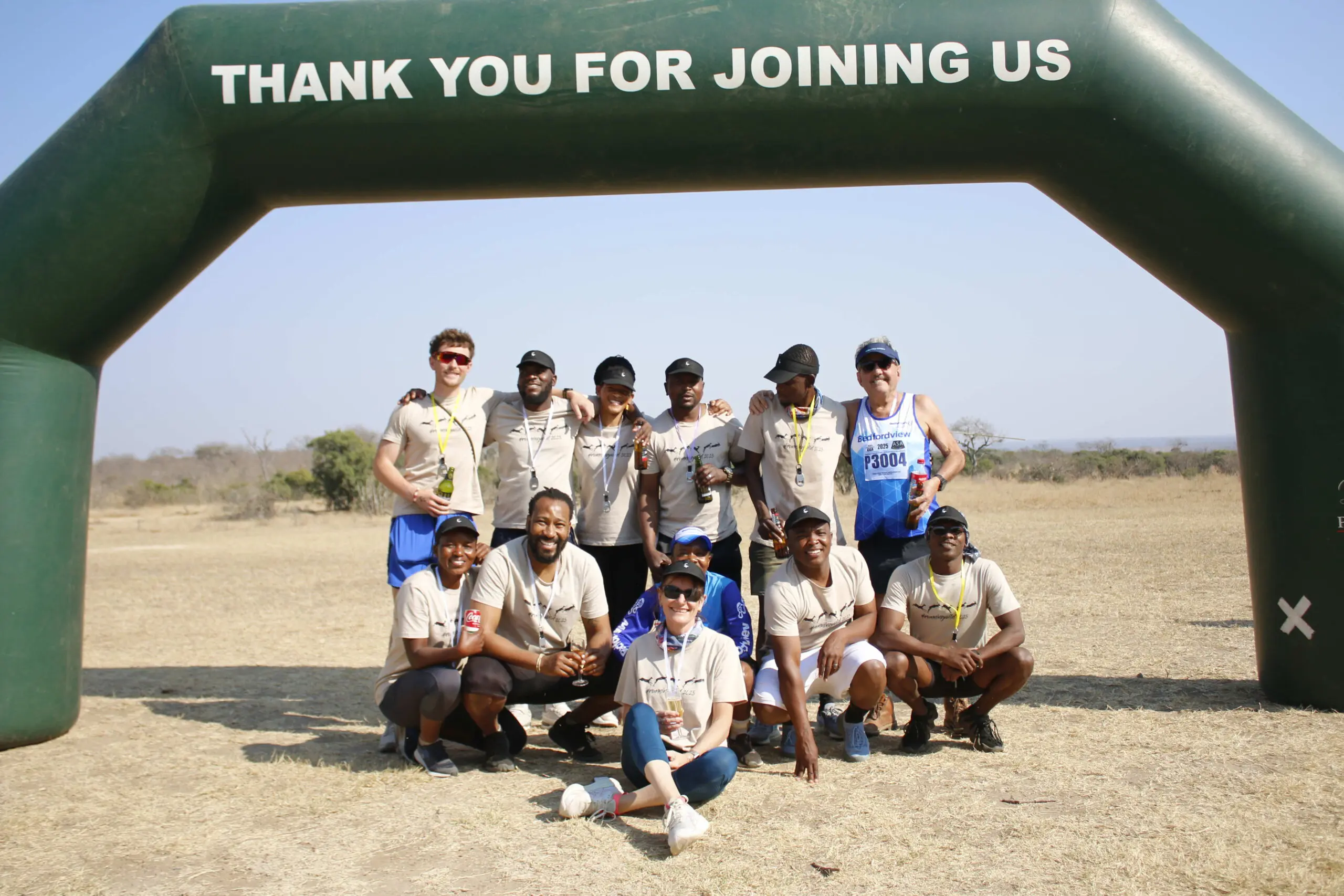
Each year, the SAWC hosts a fundraising run in support of the Protected Area Integrity: Beyond Law Enforcement thematic area, with all proceeds contributing towards its operational costs. The event was a joyful and meaningful success, offering participants a choice between a 10 km or 21 km route. Safety and support were provided by the Kruger National Park section ranger, field rangers, and the College’s Protected Area Integrity team, who were stationed every two kilometres with our pilot flying overhead. Staff members also joined in to distribute water and cheer on the runners, creating a spirited day centred on conservation and teamwork.
As part of their field learning, students used the Running Wild event as a real-world case study in community engagement and conservation awareness. Equipped with interview sheets and recorders, they spoke to runners, event planners, and the support staff who ensured the event ran smoothly. From learning about participants’ motivations and experiences on the trail to uncovering the behind-the-scenes planning, students gained valuable insights into what it takes to host an environmentally responsible outdoor event. Their interviews captured the energy, challenges, and success of the Running Wild event, turning a practical exercise into a meaningful story of teamwork, passion, and conservation in action.
Visit to Nourish: Community Conservation in Practice
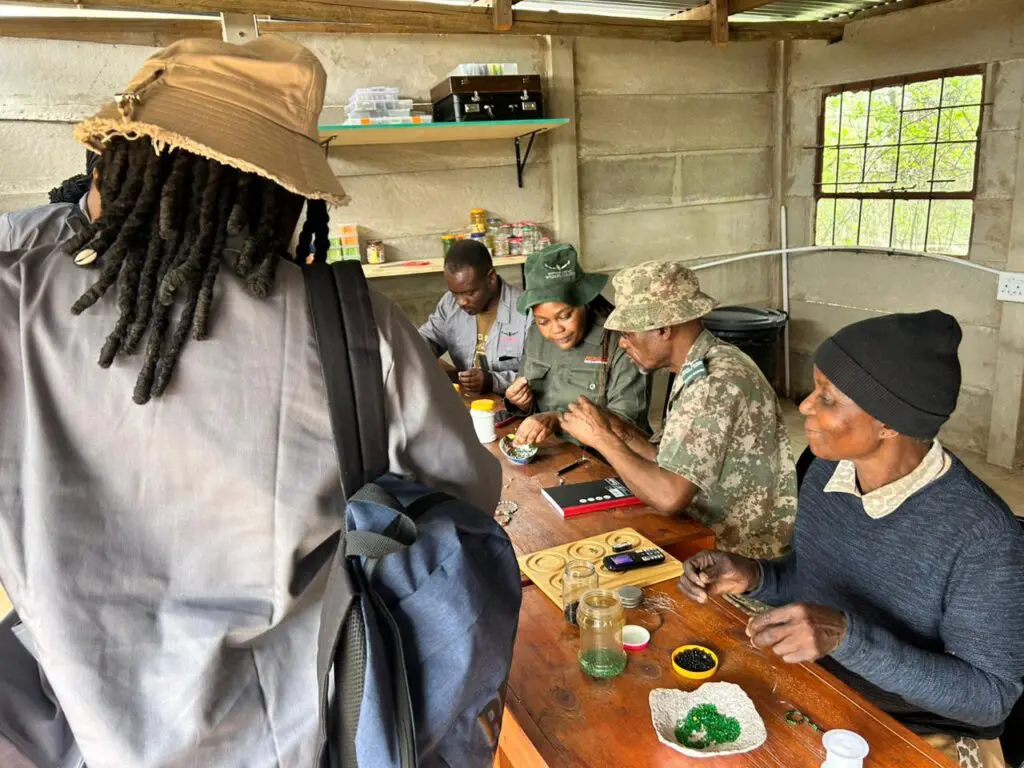
Students also visited Nourish Eco Village, where they observed how conservation and community upliftment can work hand in hand. Through guided tours and discussions, they learned about sustainable livelihoods, environmental education programmes, recycling initiatives, and the social realities faced by communities living alongside protected areas.
Wildlife Rehabilitation Centre: Animal Care and Ethics
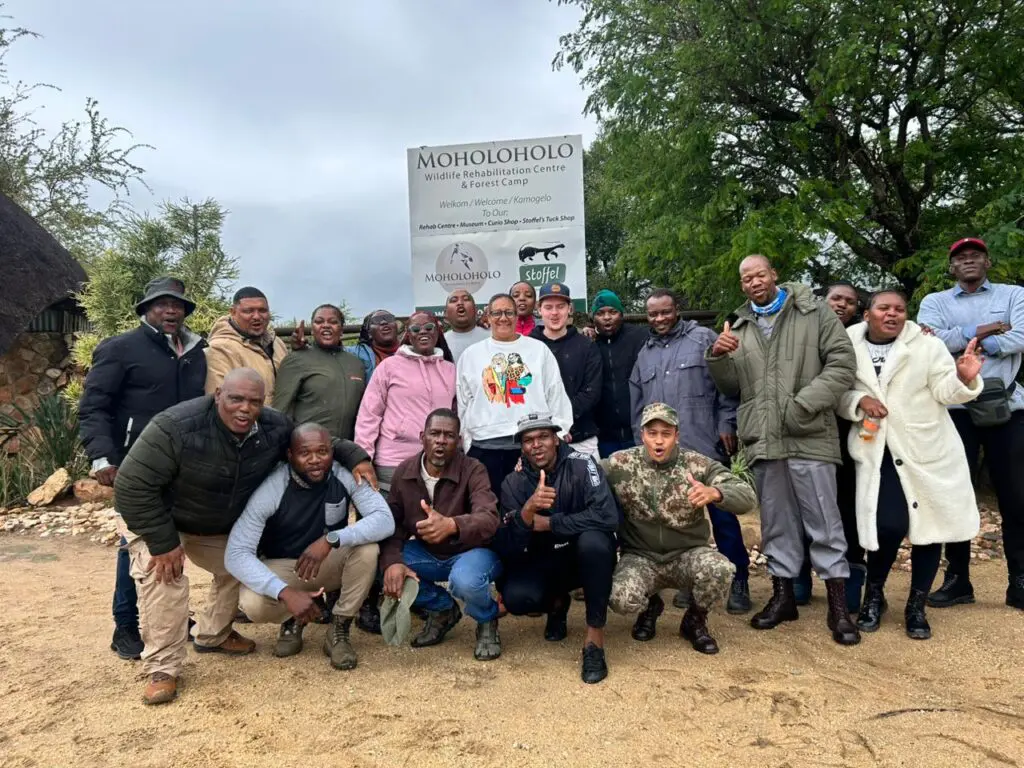
Another highlight was an excursion to a Wildlife Rehabilitation Centre, where students observed the specialised care provided to injured, orphaned, or displaced animals. Professionals introduced them to rehabilitation protocols, animal welfare considerations, and the complex ethical decisions involved in returning wildlife to their natural habitats.
A Transformative Learning Experience
Over the two weeks, students not only strengthened their technical skills but also developed confidence, leadership, adaptability, and a deeper understanding of the conservation sector. Each activity offered a unique perspective, helping them build a holistic view of what responsible environmental stewardship looks like in practice.
These practical engagements are more than academic requirements; they are formative experiences that shape our students into capable, compassionate, and industry-ready conservation professionals.