

Conflict Prevention Training and Campfire Reflection at the College
Written by: The SAWC Junior Leaders
The Southern African Wildlife College recently hosted a meaningful and engaging Preventing and Facing Conflict Training, attended by 24 staff members across departments and at all levels. The session, facilitated by Melissa Davies from Nego Services, created a valuable platform for learning, reflection, and strengthening workplace relationships.
The training focused on equipping staff with a practical toolbox to better understand, prevent, and manage conflict professionally and constructively. Participants explored different conflict styles, communication techniques, and solution-focused approaches that can be applied in everyday workplace situations. Through interactive discussions and real-life scenarios, staff were encouraged to reflect on their own experiences and identify ways to improve collaboration and mutual understanding.
One of the key highlights of the training was the emphasis on proactive communication. Staff gained insight into how early intervention, active listening, and emotional awareness can prevent minor misunderstandings from escalating into larger conflicts. The session also reinforced the importance of respect, empathy, and accountability in maintaining a positive work environment.
To complement the formal training, a campfire reflection session was held, providing a relaxed and open space for continued dialogue. The campfire created an atmosphere where staff felt comfortable sharing their thoughts, experiences, and personal reflections. This informal setting helped to deepen connections among colleagues and allowed for honest conversations that are often difficult to have in structured environments.
The combination of training and the campfire experience not only strengthened team unity but also reminded staff of the importance of harmony and support within the College. It highlighted that while conflict is a natural part of any workplace, it can be managed effectively when approached with the right mindset and tools.
Overall, the initiative was a great success, leaving participants feeling empowered, more self-aware, and better equipped to contribute to a healthy and productive work environment. With support of the Hans Wilsdorf Foundation, the College continues to invest in staff leadership development initiatives like this, recognising that strong, resilient teams are essential in achieving its mission.
Investing in Excellence: Detection Dog Training Workshop
Written by: Precious Malapane
Continued professional development remains a cornerstone of building effective conservation teams. I recently attended a specialised Detection Workshop held from 18–22 May at the Excalibur Facility, hosted by K9 Law Enforcement (RAPS) and facilitated by instructors Wesley and Mario.
Although attending as a spectator, I was given the opportunity to gain valuable hands-on experience by working with dogs from another facility. This enabled me to actively participate in practical exercises and deepen her understanding of detection dog handling and scent work.
The workshop focused on several key areas of detection training, including on-leash handling techniques, scent identification, indication training, and operational deployment in complex environments. As I typically work with off-leash tracking dogs, the workshop provided valuable exposure to the distinct requirements of on-leash detection work.
A major focus of the training was understanding how dogs locate, identify, and communicate the presence of a target scent. Participants explored various scent concealment techniques, including open, closed, locked, tunnel, underground, vehicle, and multi-storey building searches. The workshop also examined the progression of scent indication behaviours, from initial scent recognition through to the final trained alert.
Additional learning areas included reward-based motivation techniques, environmental factors that influence canine performance, and the importance of scent imprinting and concentration management. Participants gained a deeper understanding of how factors such as temperature, fatigue, distractions, and varying surfaces can impact a dog’s ability to work effectively.
The practical component of the workshop involved cargo inspections, building searches, and multi-level search scenarios. These exercises provided an opportunity to observe scent movement in different environments and develop a greater appreciation for the precision and adaptability required in detection work.
The workshop strengthened my understanding of detection methodologies and provided valuable techniques that can be incorporated into future training programmes at the College.
I would like to extend my appreciation to Wesley, Mario, Chelsea, K9 Law Enforcement and the SAWC for providing this learning opportunity. By investing in specialised skills development opportunities such as these, the College continues to strengthen the professional capacity of its staff and enhance operational excellence across its conservation programmes.
SAWC Participation in the 2026 Kick It for Conservation Tournament
Written by: Goodwill Seepane
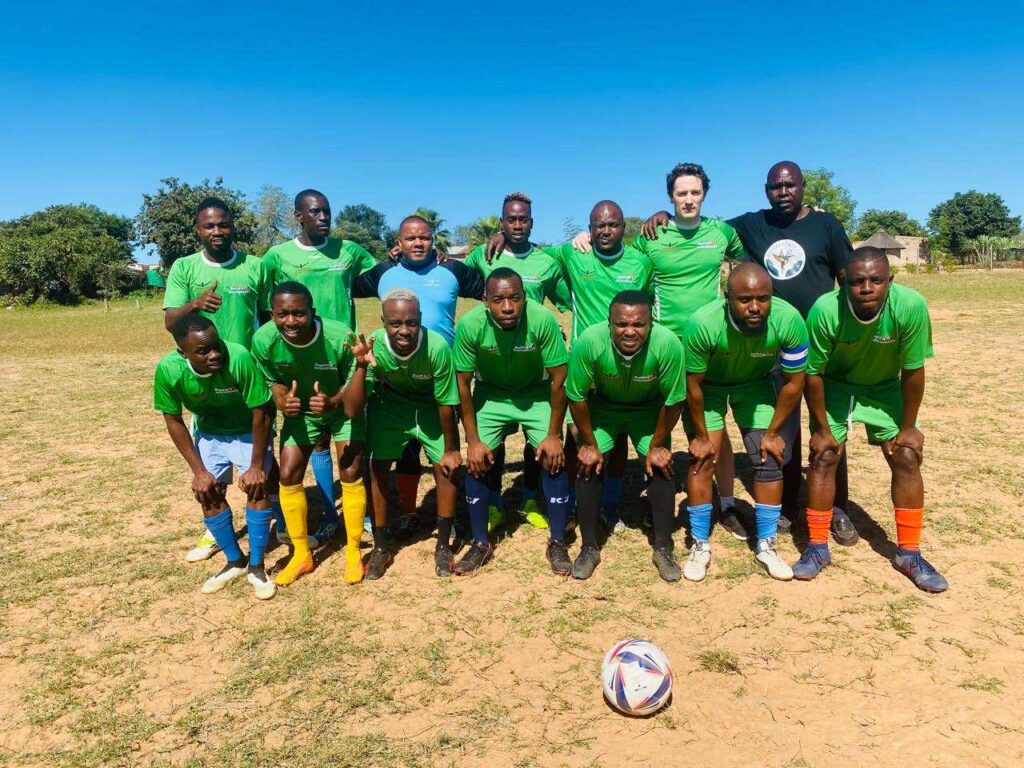
The SAWC proudly participated in the annual Kick It for Conservation Sports Tournament, an initiative created through collaboration between the Southern African Wildlife College, Thornybush Nature Reserve, Royal Malewane, and Nourish Eco Village. Held each year on Freedom Day (27 April 2026), the tournament aims to give back to the community through sport while promoting healthy living, teamwork, and social unity.
The College, through its Wellness Project initiated by Junior Leader, Goodwill Seepane, was represented by both its soccer and netball teams. The SAWC soccer team delivered an outstanding performance in their second match against the Nourish team. After a competitive game, the match ended in a 1–1 draw, leading to a penalty shootout in which the team narrowly lost. Despite the result, the players demonstrated strong determination, teamwork, and sportsmanship.
The netball team competed against the strong Welverdiend team. While they were outplayed, their participation was equally significant, ensuring that female staff members were actively involved in the initiative in line with the objectives of the College’s Healthy Living Project and its commitment to gender inclusion in staff development activities.
Participation in tournaments such as Kick It for Conservation plays an important role in improving staff productivity and wellness. Sporting activities encourage physical fitness, reduce stress, and improve mental well-being, contributing to better focus, motivation, and overall workplace performance. These events also strengthen teamwork and relationships among staff members across departments, creating a more united and collaborative working environment. Furthermore, SAWC’s involvement strengthens the organisation’s public image by demonstrating its dedication to employee wellness, community engagement, and building strong partnerships through sport.