

SADC Wildlife-Based Economic Project
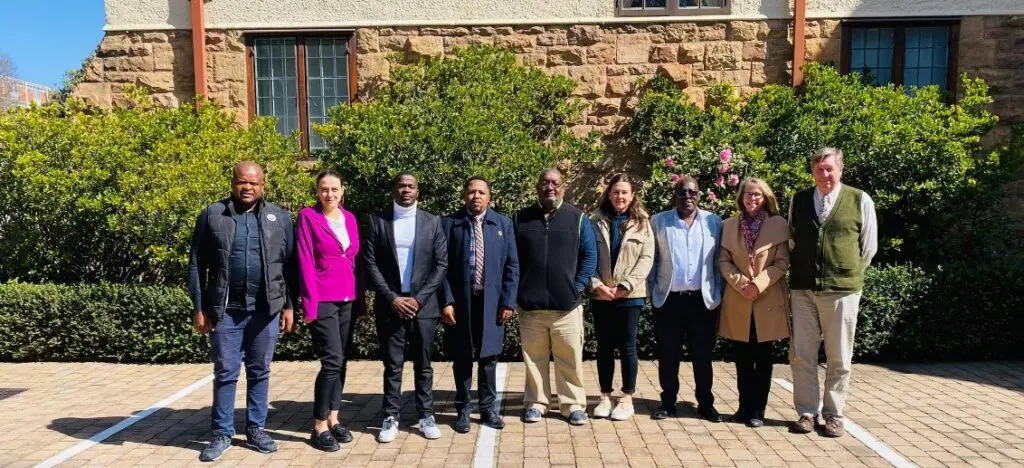
The Responsible Resource Management department, is leading the development of the upcoming Southern African Development Community (SADC) Wildlife-based Economy project, focusing primarily on the implementation of the SADC Wildlife-Based Economy Strategy (SADC-WBESF). This will be a collaborative project between the College, the African Wildlife Economy Institute (AWEI), and the African Leadership University’s School of Wildlife Conservation (ALU-SOWC). The first tier of the implementation process will start with the Capacity Building Initiative, which aligns with strategic Objective 3: The SADC and its member states are enabled to implement the Wildlife-based Economy Strategy cooperatively through international, regional, and national alliances and Objective 4: The Strategy is recognised by the Member States and globally – of the SADC-WBESF.
Workshop in Skukuza
From 13 to 17 August, the Responsible Resource Management department had the incredible opportunity to participate in a week-long workshop held in Skukuza. The workshop was hosted by North-West University and the Conservation Leadership Transformation Network (CLTN). This enriching experience focused on developing essential skills for leaders in the conservation sector. Participants engaged in dynamic discussions, hands-on activities, and collaborative learning sessions aimed at equipping conservation professionals with the tools needed to drive impactful change. We are excited to apply these insights and continue our commitment to advancing conservation leadership in our region!
TRAINING ACTIVITIES
In the third quarter, the Responsible Resource Management epartment made significant strides in enhancing conservation efforts by conducting training courses focused on Responsible Resource Use and Dangerous Game Awareness. Collaborating with the World Wide Fund for Nature – South Africa (WWF-SA) Khetha Programme, the department successfully equipped Manyeleti fence monitors with critical skills to safeguard their environment.
On 23 July, the RRM Department celebrated the conclusion of a comprehensive 21-day Professional Team Leader Training for our Herding 4 Health implementing partners. This initiative brought together dedicated organisations from the Southern African Development Community (SADC) region, including Wild Entrust from Botswana, Conservation South Africa, and the Victoria Falls Wildlife Trust from Zimbabwe. Together, we are building a network of informed leaders ready to tackle conservation challenges head-on.
Additionally, the department and the Rural Initiatives for a Sustainable Environment (RISE) Unit proudly hosted the third learning cycle of the WWF-Khetha/Realife Learning Africa project. This engaging event took place at the SAWC campus from 30 June to 6 July, fostering collaboration and knowledge-sharing among conservationists across the region.
NEW RELATIONSHIPS
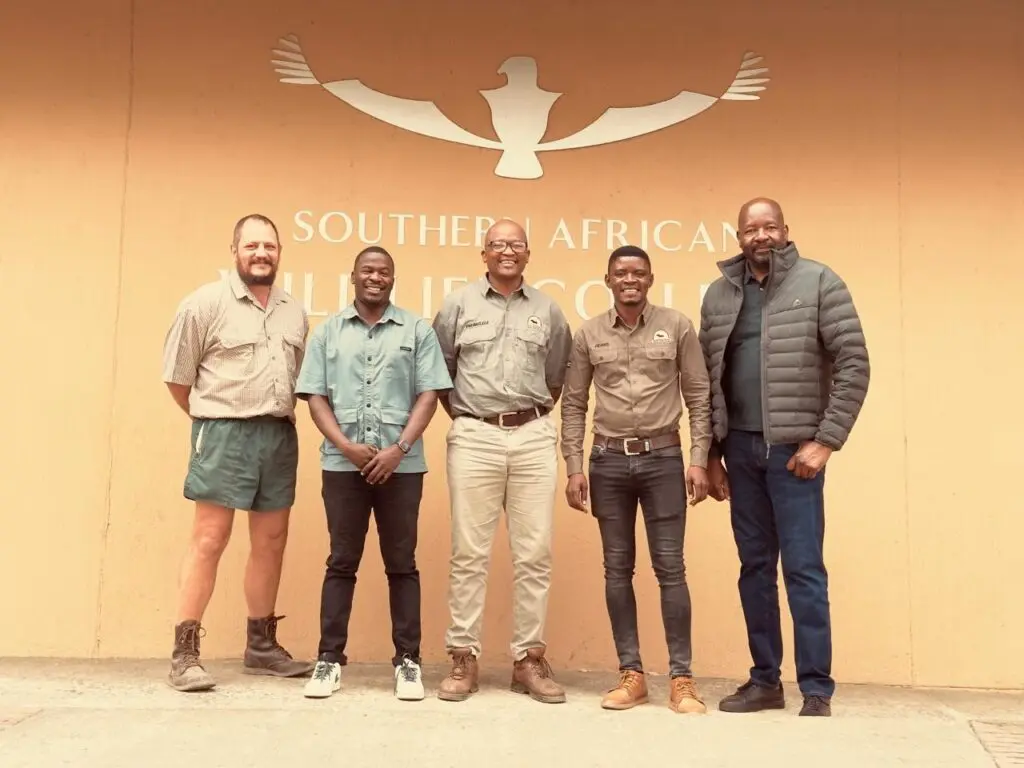
The South African Black Hunter and Sport Shooting Association (SABHSSA) paid a courtesy visit to the College to discuss potential collaboration. The CEO of SABHSSA, Mr Frans Melabane, is a practising professional hunter who graduated from the College’s Professional Hunter Further Education and Training course.
This 18-month to two-year course offering dates back to 2011, when the College was approached by a number of conservation organisations across the SADC region to develop a professional training programme for Field Guides and Professional Hunters. The reason for this request was a simple one, the industry needed to transform and provide more comprehensive training and entrée to the economic benefits derived from the sustainable utilisation of its wildlife resources.
The ethical philosophies taught by the department are that to be fully ‘sustainable’ hunting must address three levels of sustainability. Hunting must be (1) ecologically sustainable – for the good of the many and various wildlife species (numbers and composition); (2) genetically sustainable – age class and breeding opportunities, for the maintenance of healthy animal genetics; and finally, (3) financially sustainable – this is the economic engine which drives habitat protection and by so doing, wildlife conservation.
In delivering the needs-based course that was offered, a lot of emphasis was placed on the Field Guiding aspect of the training conducted which was trained over the first year, with only a select and dedicated few students being invited to stay on for the second year of training and ultimate completion of the Professional Hunting qualification.
The Responsible Resource Management department works with ring-fenced funding, and recognises the fact that within conservation, the concept of sustainable utilisation is an essential element, especially in certain areas and countries in Africa. As such, the College and SABHSSA are now looking to reignite their relationship to foster project collaboration and partnerships with the focus on the responsible and ethical utilisation of resources.
University Groups
By Scott Yammin
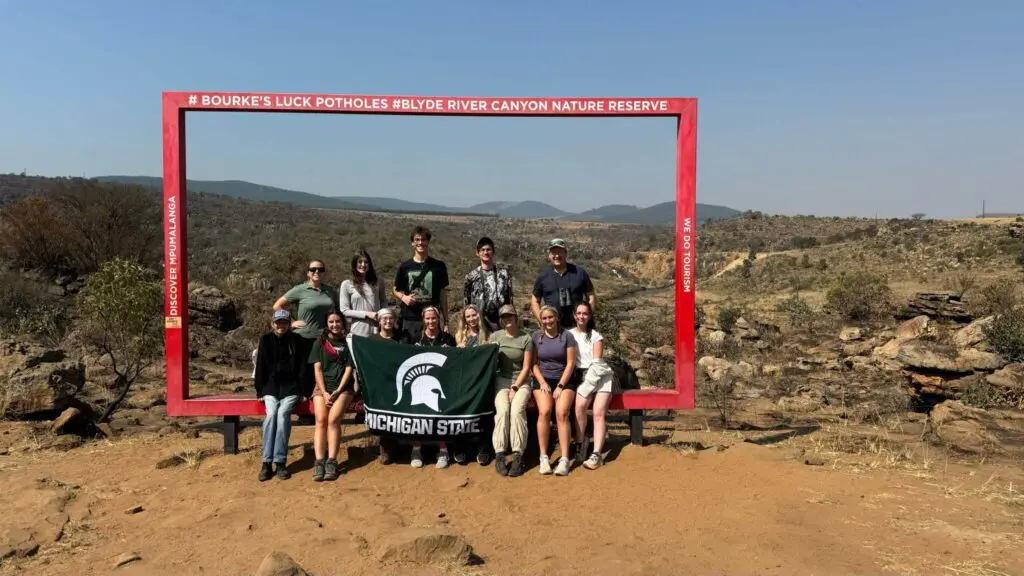
The last three months have been busy with many universities and conservation groups visiting the College. Some of the groups include Michigan State University, Indiana University, Katie Adamson Conservation Fund, and Good Work Foundation. We have also hosted a faculty from Queensland University in Australia and PhD students from Cornell University in the USA.
The Responsible Resource Management department also welcomed Kewan Bagley, who will assist with training and visiting groups at the SAWC. We are delighted to have Kewan on board, and who knows, you might meet him on a game drive during your next trip to the College.