

Coaching Conservation

2024 marked a pivotal year for Coaching Conservation (CC) at the SAWC, as the programme paused to reflect and recalibrate following the departure of several coaches who secured roles in the conservation sector. This reflection provided an opportunity to integrate insights from a Botswana-based CC training team visit in December 2023. It highlighted the need for peer learning and updated training for the College staff.
From late September to early October, nine SAWC coaches travelled to Botswana to undergo intensive training on the latest CC programme delivery methods. For many, this was a series of firsts: their first time leaving South Africa, visiting Botswana, and exploring the renowned Okavango Delta. The trip allowed them to witness the origins of the CC programme and engage with innovative projects like Wild Entrust’s Bio-boundary Laboratory for Wildlife Chemistry.
A standout moment was the opportunity to track a large pack of wild dogs alongside Botswana Predator Conservation Trust researchers, gaining invaluable insights into wild dog ecology. Armed with this enriching experience, the coaches resumed the children’s programme from 2 to 7 December, supported by funding from the Friends of African Wildlife. This intervention includes the Rhino Rapid Awareness Programme, engaging 100 Grade 5 learners from local primary schools.
Tusk Trust Learning Exchange
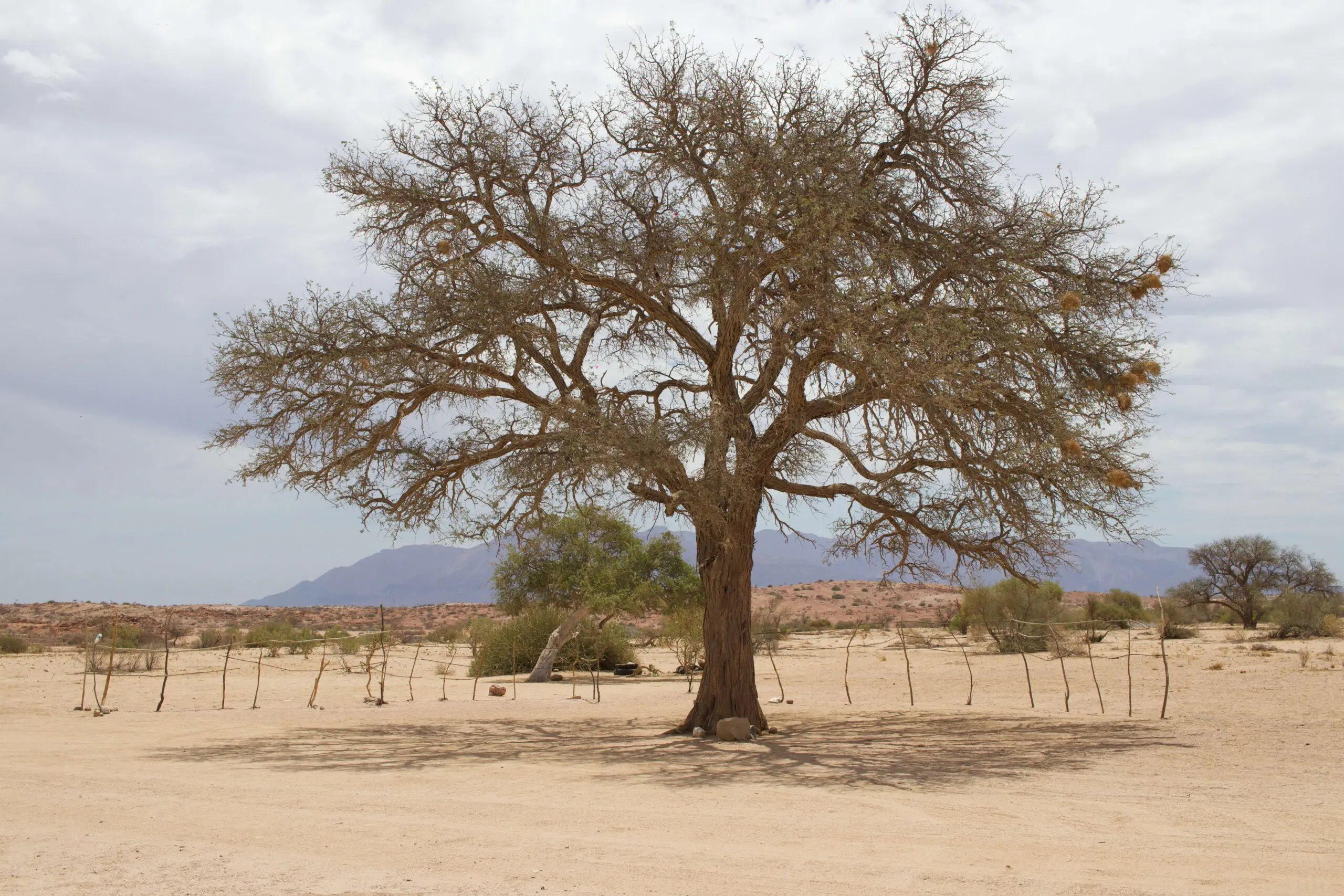
The Rural Initiatives for a Sustainable Environment (RISE) unit was privileged to receive one of the collaboration grants awarded to the Southern African Wildlife College (SAWC) by Tusk Trust, enabling staff to participate in a learning exchange with Save the Rhino Trust (SRT) in Namibia from 3 to 9 November. This initiative aimed to expose RISE staff to best practices in community development, leveraging Namibia’s reputation as a global leader in Community-Based Natural Resource Management (CBNRM).
Representing the College, I had the opportunity to immerse myself in various programmes, including black rhino monitoring at the Torra Conservancy and SRT’s school outreach initiatives. I also engaged with rhino rangers, community game guards, tourism operators, and private rhino custodians. This first-hand exposure not only enhanced my understanding of community-driven conservation but also inspired new ideas for strengthening RISE’s local efforts.


GEF 6 Steering Committee and Training Initiatives
I also represented RISE at the eighth Global Environment Facility (GEF) 6 Project Steering Committee meetings held in Awelani from 18 to 22 November. The gathering brought together stakeholders, including the United Nations Environment Programme (UNEP), the Department of Forestry, Fisheries and the Environment (DFFE), Kruger National Park, the World Wide Fund for Nature (WWF) – Khetha Programme, and the Peace Parks Foundation, to assess the programme’s progress and chart a way forward.
Key discussions revolved around enhancing impact reporting, accelerating spending to align with project timelines, and finalising governance guidelines. A standout achievement was the first aid training provided to 28 environmental monitors from Kruger National Park and Makuya Nature Reserve (LEDET) between 20 and 23 November, where all participants were declared competent.