

Raising the Bar in Learning and Education
The Southern African Wildlife College’s Learning and Education Department continues to make remarkable strides through its Occupational Programmes Pillar. This pillar is committed to advancing skills, leadership, and excellence, while ensuring that every learning programme it delivers achieves measurable impact.
Central to its mandate is the rollout of occupational certificates and skills programmes accredited by Sector Education and Training Authorities (SETAs) and the Quality Council for Trades and Occupations (QCTO). These bodies are responsible for ensuring that training meets national standards and addresses industry needs.
Milestones in Natural Resource Management
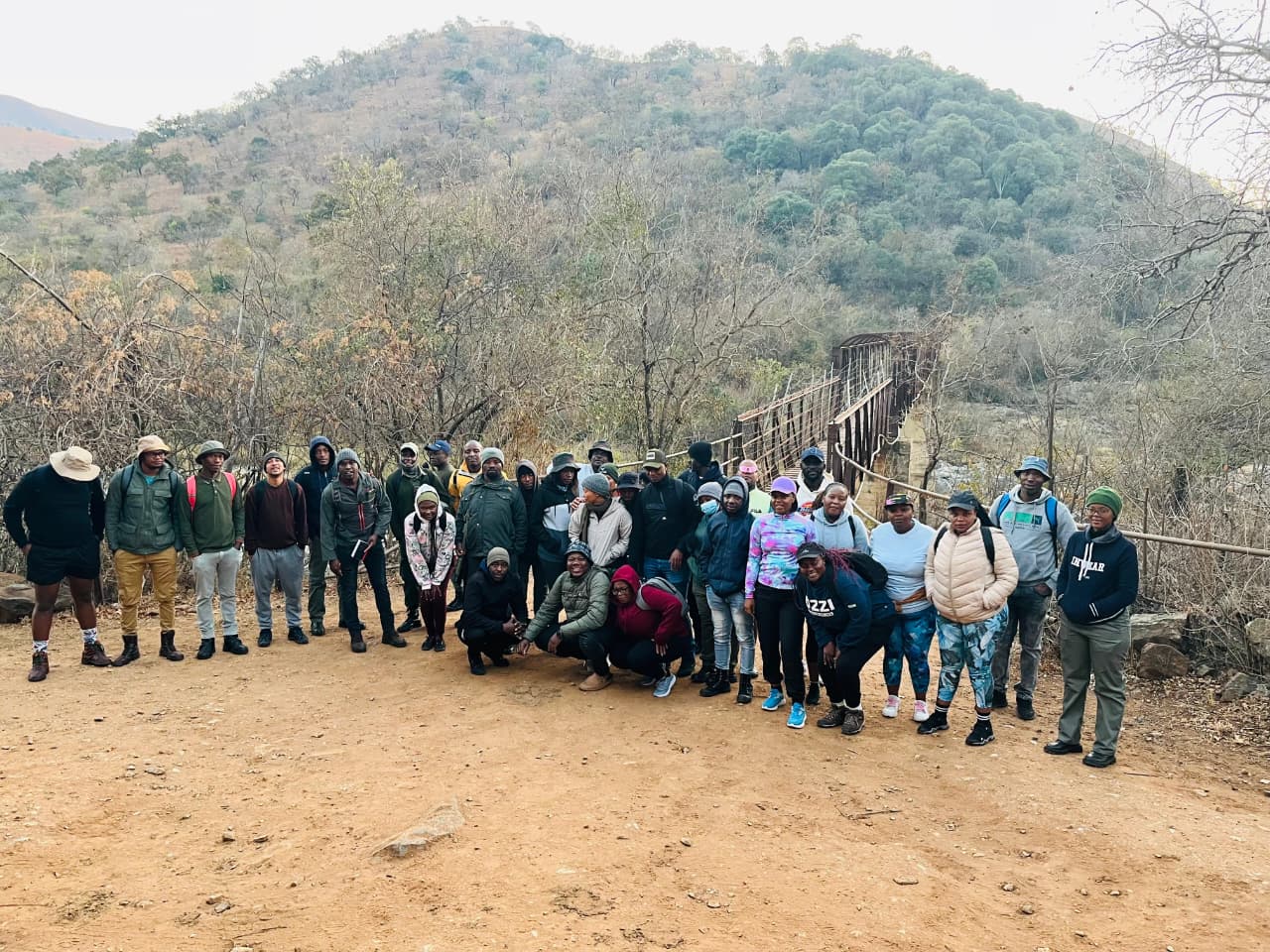
One of the department’s flagship offerings, the National Certificate in Natural Resource Management, Terrestrial (NQF Level 5), successfully concluded its 2025 contact sessions in August. The 26 students enrolled in this qualification are now on the final stage of their learning journey – a three-month period of Work Integrated Learning (WIL). During this time, students are placed at their respective workplaces, where they apply the knowledge and skills gained over two semesters. Workplace mentors guide and assess them, ensuring that the transition from theory to practice is both meaningful and rigorous. Graduation is set for December 2025, marking the culmination of this year’s programme.
Bridging the Gap for Future Conservationists
In parallel, 15 young people from across South Africa have been participating in the College’s Bridging Course. This course aims to strengthen core workplace skills, starting with basic computer literacy, communication, and mathematical literacy.
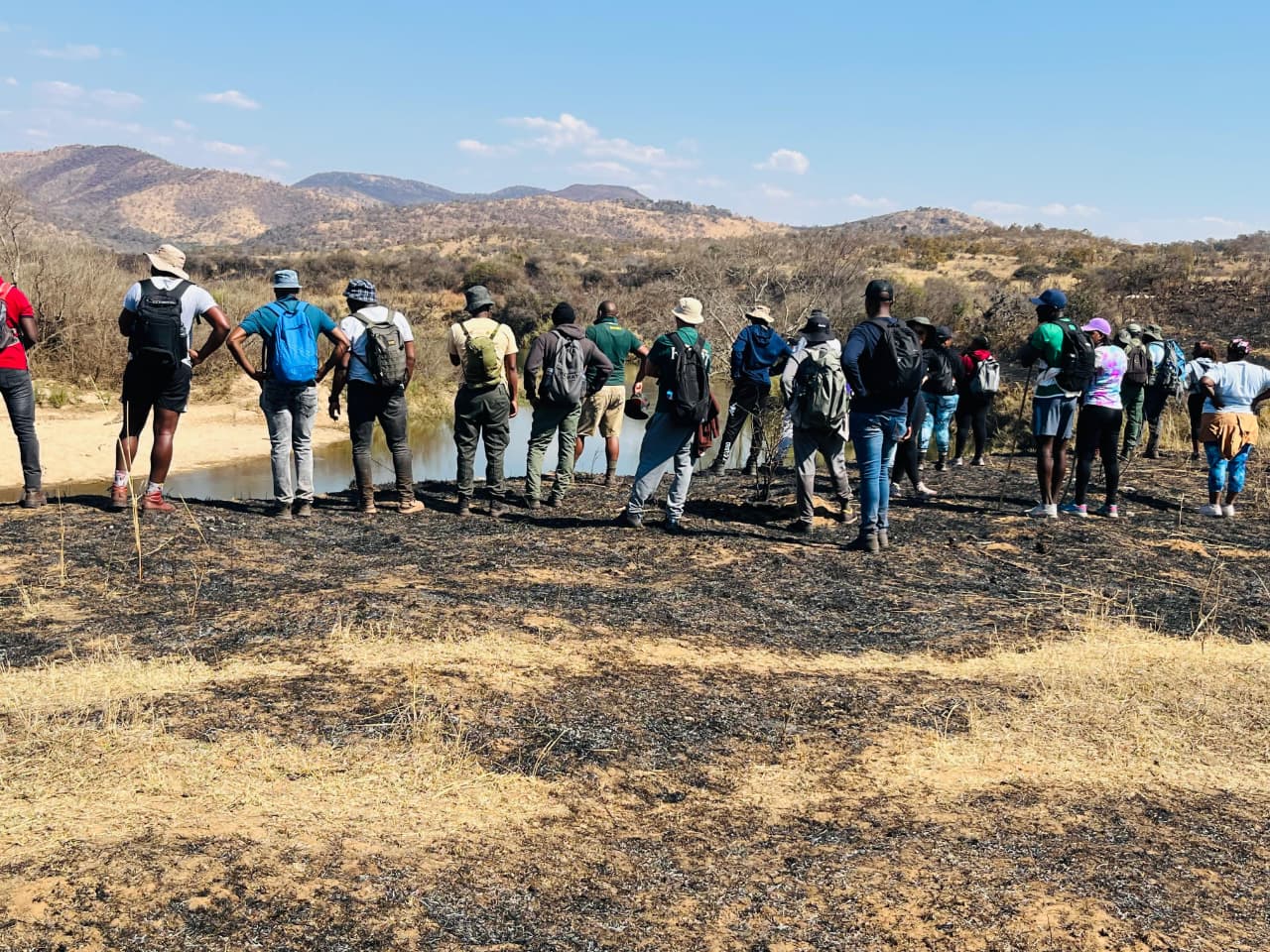
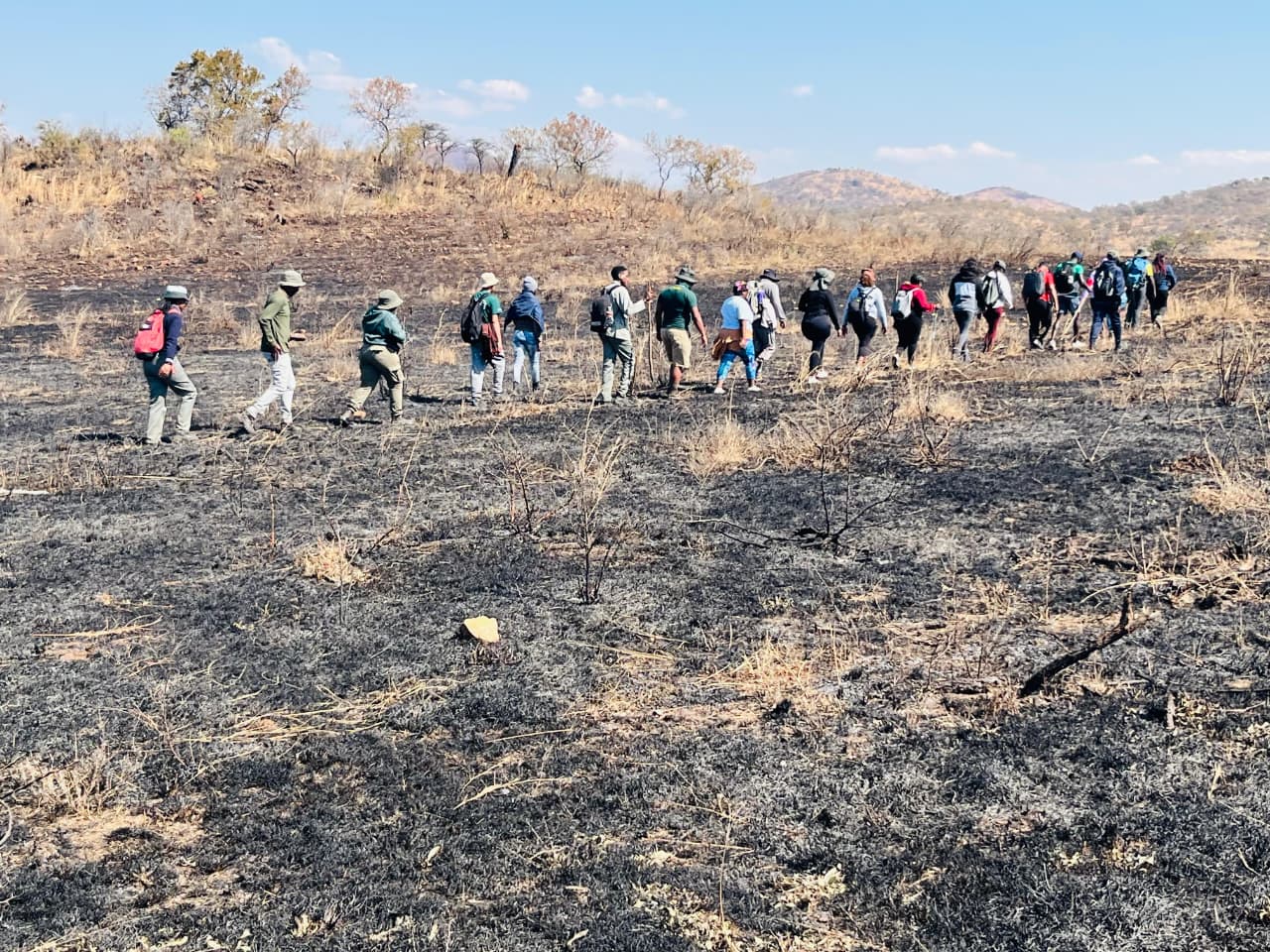
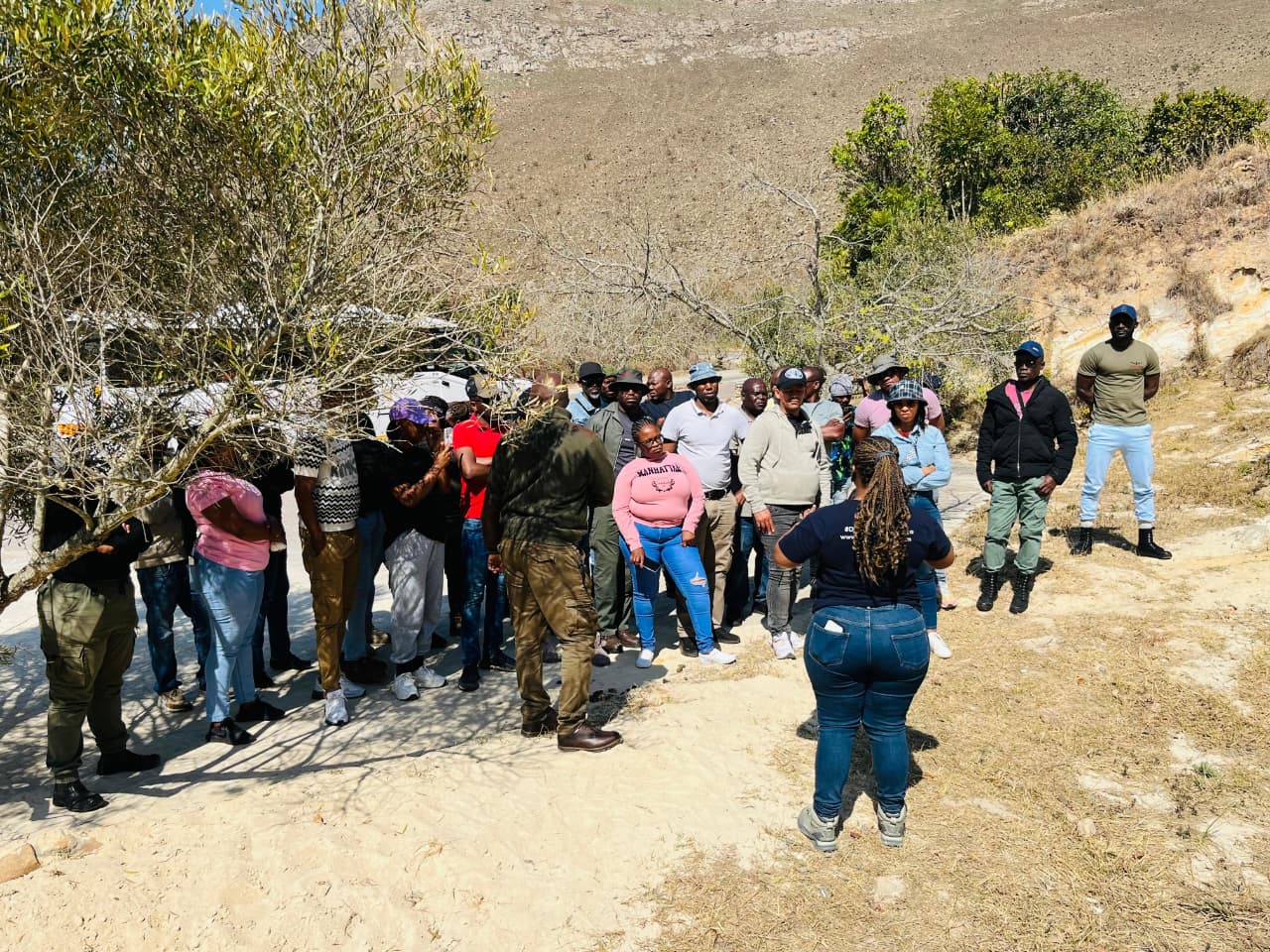
The students were then immersed in the Future Eco-Ranger Programme, which introduces them to the diverse responsibilities of an Eco-Ranger both within and beyond protected areas. This training is designed to equip participants with the knowledge and practical experience required for entry-level roles in conservation. As part of their preparation, participants also complete a week-long Firearms for Business Purposes course, ensuring that they are competent and compliant with firearms regulations relevant to conservation operations.
Demand Exceeds Expectations
Interest in the College’s 2026 NQF Level 5 programme has been so high that recruitment closed earlier than anticipated. This surge in demand demonstrates that the programme is both relevant and highly valued. However, 2026 will mark the final year that this qualification is offered in its current format.
From 2027, it will be replaced by a QCTO-certified qualification that moves away from a unit-standard-based approach and instead integrates three core components:
- Knowledge Modules – covering theory and concepts
- Practical Modules – providing hands-on training
- Workplace Experiential Learning – offering structured, mentored experience in the field
These changes reflect the College’s commitment to staying ahead of evolving industry requirements and ensuring graduates are work-ready.
Celebrating Verification Success
Adding to the department’s list of achievements, the College recently completed a successful verification process conducted by the Culture, Arts, Tourism, Hospitality and Sport Sector Education and Training Authority (CATHSSETA). This verification is an important quality assurance step that confirms the College’s ability to train, assess, and issue nationally recognised certificates.
The outcome was highly positive, with the College achieving an average score of four out of five across all assessment areas – a strong result that secures its ability to continue training, assessing, and certifying for the next year without the need for re-verification.
This achievement was made possible through exceptional teamwork, and we are incredibly proud of everyone who contributed to making it a success. With CATHSSETA accreditation secured, the College is well-positioned to continue delivering high-quality training and deepening its impact in the conservation sector. Work has already begun to address the few gaps identified, with the goal of achieving a perfect five-out-of-five rating in the next review.
The department is also eagerly awaiting the outcome of the Eco-Ranger accreditation process, which promises to further expand opportunities for young and aspiring conservationists.