The first quarter of 2026 has been a period of significant strategic advancement for the Nature-Based Economy (NBE) unit, with a strong focus on securing critical funding and expanding our partnership network.
Strengthening Local Value Chains
A major milestone was the signing of a funding agreement with the United Nations Development Programme (UNDP) to establish a leather tanning training facility at the Southern African Wildlife College (SAWC). This initiative represents an important step towards strengthening local value chains and unlocking opportunities for community-centred enterprises linked to conservation landscapes.
Further collaboration is underway through the development of a concept note with Peace Parks Foundation and South African National Parks (SANParks), focused on enterprise development and wildlife value chains within the Greater Limpopo Transfrontier Conservation Area (GLTFCA). This work aims to support inclusive economic growth while reinforcing conservation outcomes across transboundary landscapes.
At a regional level, Dr Thabang Teffo, the unit lead, participated in the 3rd Southern African Development Community (SADC) Technical Implementation Committee Meeting on Wildlife-Based Economy in Johannesburg. During the engagement, the College shared project progress and contributed to ongoing regional discussions on strengthening wildlife-based economic development.
Herding Academy: Expanding the Footprint
The Herding Academy continues to play a critical role in landscape restoration and community resilience. During this period, the unit conducted a structured partner feedback process with key collaborators, including Conservation South Africa (CSA), Peace Parks Foundation, Conservation International, ReHerd Africa, and Claws Conservancy. With over 70% of partners responding, the feedback has already informed improvements to existing courses and the development of two new short courses.
The programme is also expanding geographically. WildCAT Botswana has confirmed two Herding for Health trainings for 2026, while training with Limpopo National Park is scheduled for March. In parallel, the Service Level Agreement between Peace Parks Foundation and the SAWC is being finalised, with the establishment of a new training site in Zambia forming a key component of this expansion.
In a significant development, the Herding Academy reported to the Department of Forestry, Fisheries and the Environment (DFFE) for the first time on its contribution to landscape restoration, following its accreditation as a United Nations Convention to Combat Desertification (UNCCD) Civil Society Organisation. This milestone strengthens the programme’s positioning within broader restoration and sustainability efforts.
University Engagements
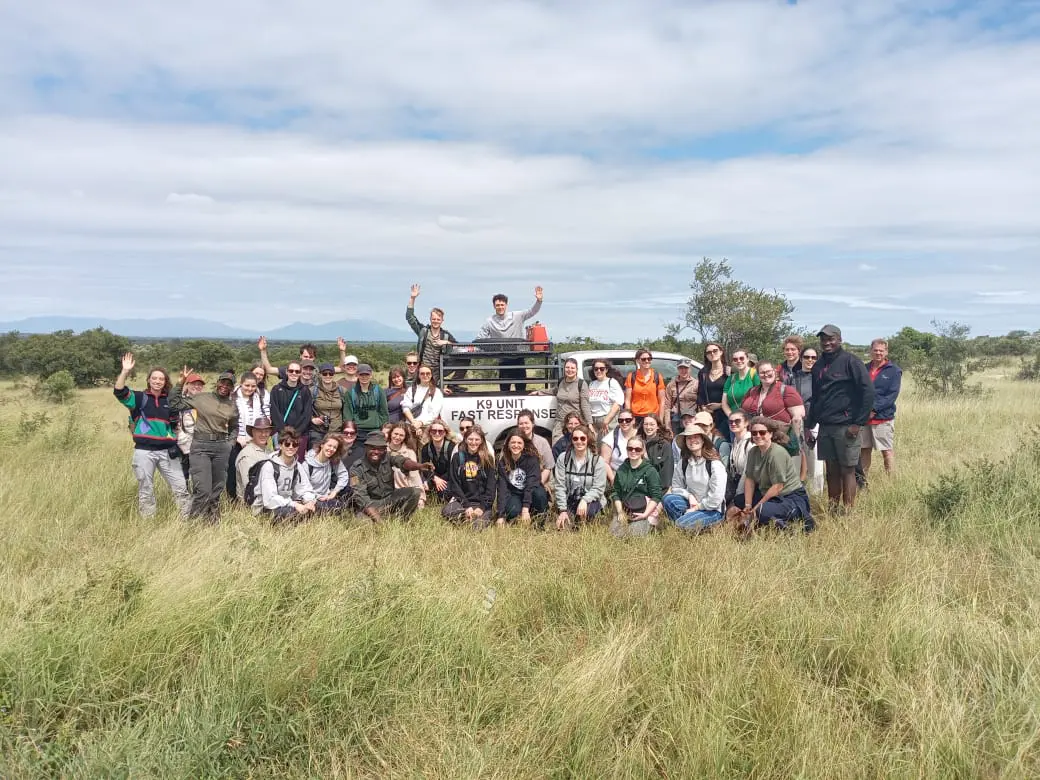
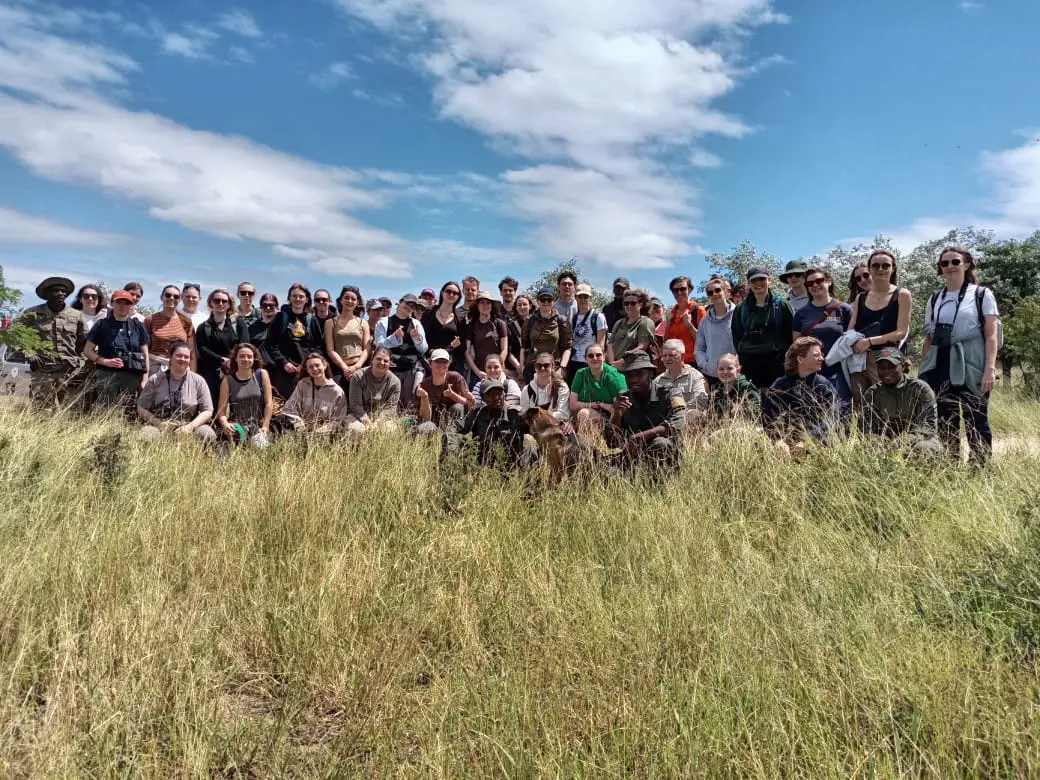
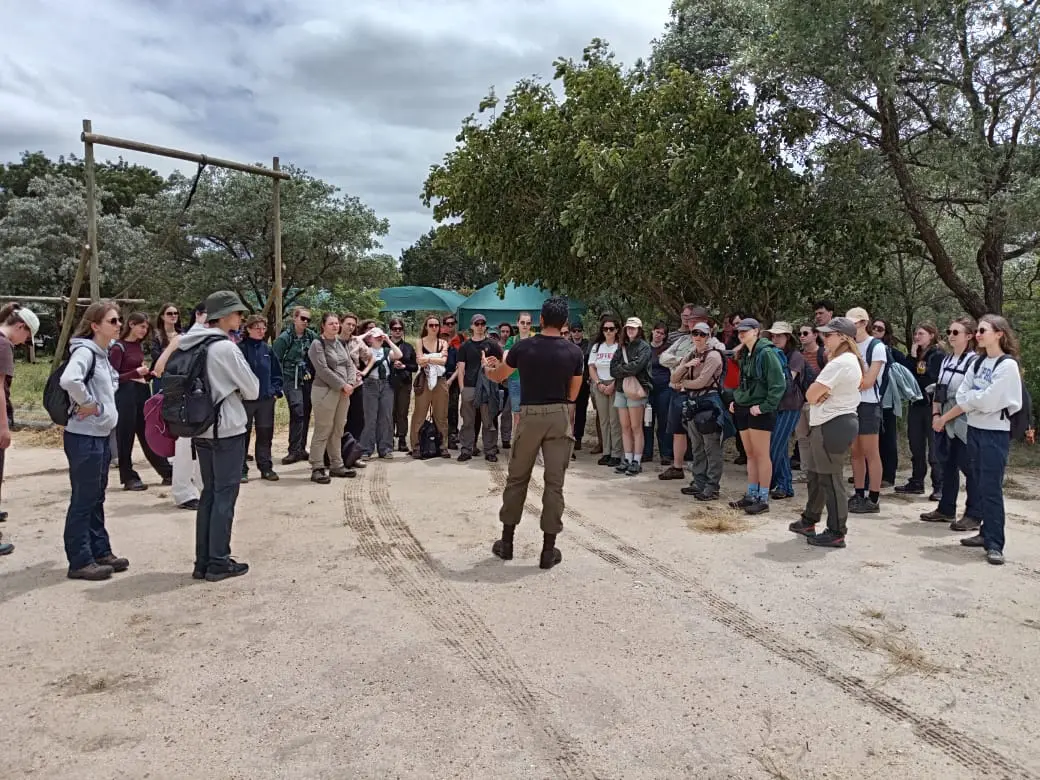
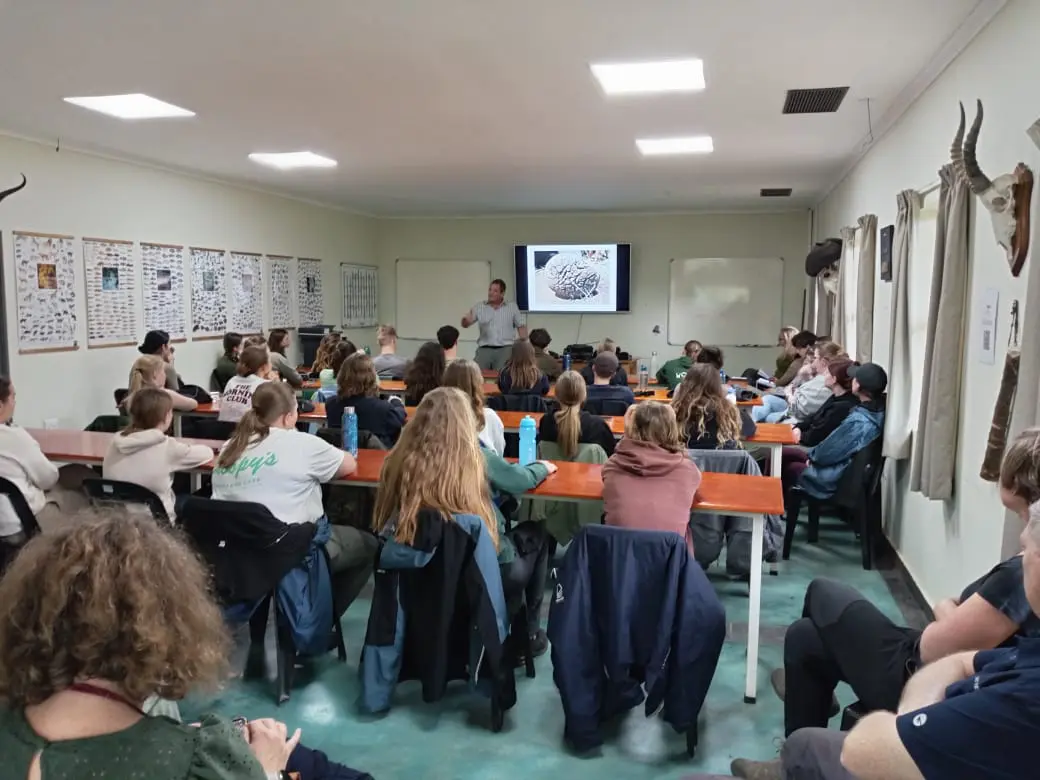
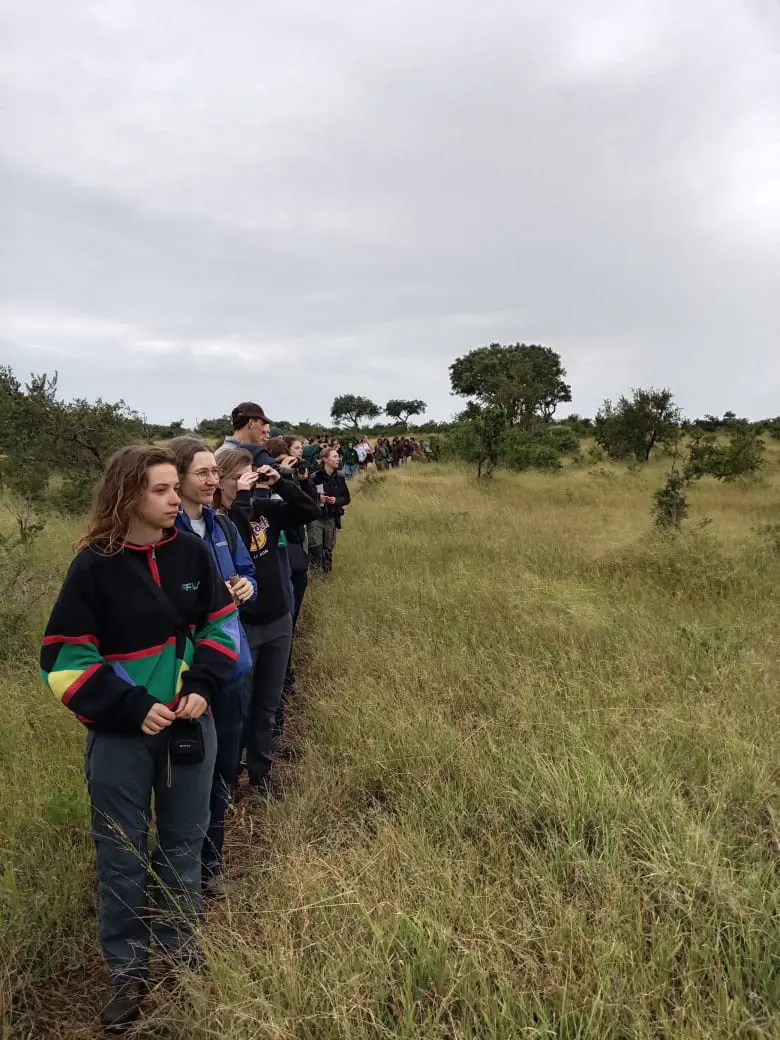
Finally, our campus continues to be a vibrant hub for international knowledge exchange. The Belgian VIVES Veterinary Group visited the College on 14 February 2026 in a successful multi-department engagement. This was followed by a visit from the Good Work Foundation (GWF) at the beginning of March, further strengthening collaboration and knowledge exchange.