

Conservation challenges rarely stop at national borders. Across Africa, protecting wildlife and natural resources requires practitioners to understand different ecosystems, communities and approaches to conservation, while sharing knowledge and experience across regions. Strong partnerships between African conservation institutions can help build this capacity by connecting people, expertise and opportunities for practical learning.
The partnership between the Southern African Wildlife College (SAWC) and the École Régionale Post-Universitaire d’Aménagement et de Gestion Intégrés des Forêts et Territoires (ERAIFT) in the Democratic Republic of Congo provides a platform for collaboration between institutions in Southern and Central Africa. Through the partnership, the two institutions can share expertise, networks and regional experience while creating opportunities for learning, research and professional development.
This kind of collaboration is particularly valuable in a sector where conservation challenges are increasingly complex and interconnected. Practitioners may need to work across protected areas, landscapes and national boundaries, while considering ecological, institutional and socio-economic factors that differ from one region to another.
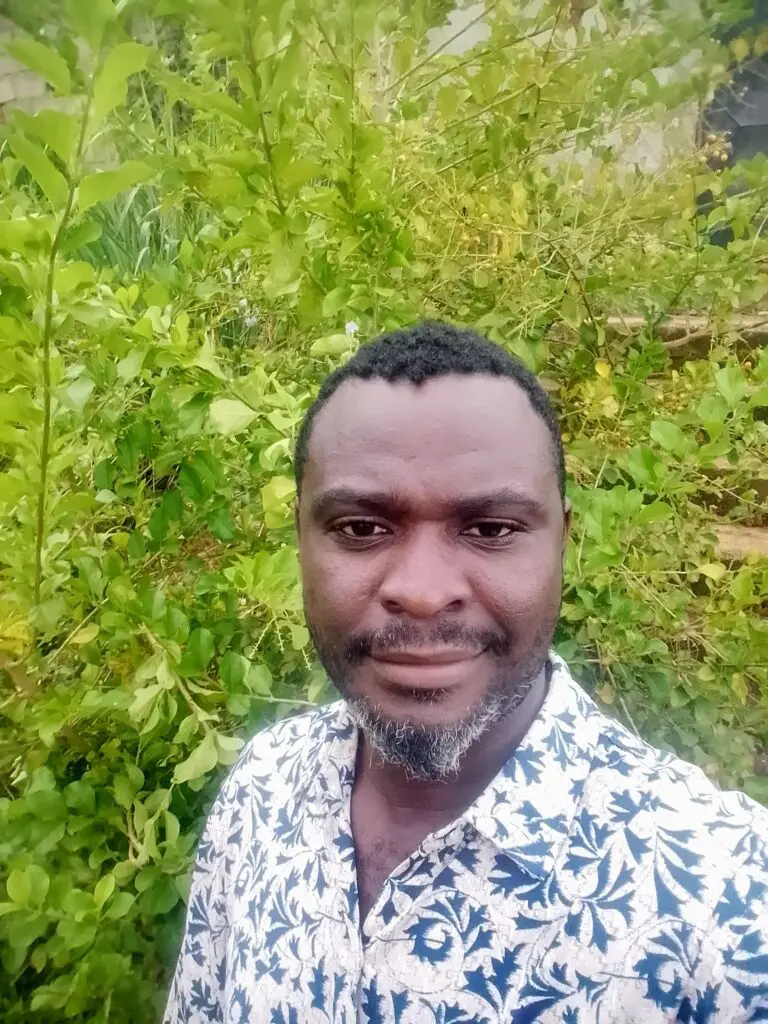
One example of the partnership in action is Trésor Daniel Mefire, a Cameroonian environmental scientist and Master of Science (MSc) candidate in Sustainable Management of Protected Areas and African Forest Ecosystems at ERAIFT. His studies are supported through the EU/AGRINATURA/NATURAFRICA programme.
Trésor holds a Bachelor’s degree in Environmental Science, specialising in Protected Areas, and has field experience in protected area management, ecotourism and conservation across Central and West Africa. He is currently undertaking a 13-week research internship at the SAWC, bringing his experience and perspective from Central Africa into the Greater Kruger landscape.
His research focuses on wildlife road mortality along the R531, investigating where and why roadkill occurs and examining how factors such as fencing and habitat influence these patterns. Under the supervision of Dr Serge Alexis Kamgang (ERAIFT), Wendy Collinson (SAWC’s Head of Conservation Science) and the SAWC road ecology team, Trésor is using Geographic Information Systems (GIS) and participatory approaches to explore the relationship between wildlife, transport infrastructure and the people and communities sharing these landscapes.
The internship demonstrates the practical value of institutional partnerships. By creating opportunities for students and emerging professionals to work in different conservation settings, collaborations such as this allow knowledge to move in both directions. Students gain exposure to new landscapes and approaches, while host institutions benefit from fresh perspectives, experience and research capacity.
For Trésor, the experience at the College is also an opportunity to connect his academic interests with his broader commitment to inclusive conservation. He is passionate about gender equity and community empowerment, serves as President of the Cameroon chapter of Right for Education Africa, and is a Greenpeace Africa activist, advocating for gender-responsive climate action and amplifying African voices on climate justice across the Congo Basin.
His experience reflects the wider ambition of the SAWC–ERAIFT partnership: to strengthen African conservation capacity through collaboration and to develop professionals who can draw on knowledge and experience from across the continent.
By sharing expertise, resources and experience, African conservation institutions can strengthen one another and help prepare practitioners to respond more effectively to the diverse and interconnected challenges facing wildlife and natural resources.
In this way, partnerships are not simply about exchanging knowledge. They are about building the networks, skills and confidence needed to shape a stronger, more connected African conservation community.