

Investigating the Effectiveness of Reed Beds in Improving Wastewater Quality
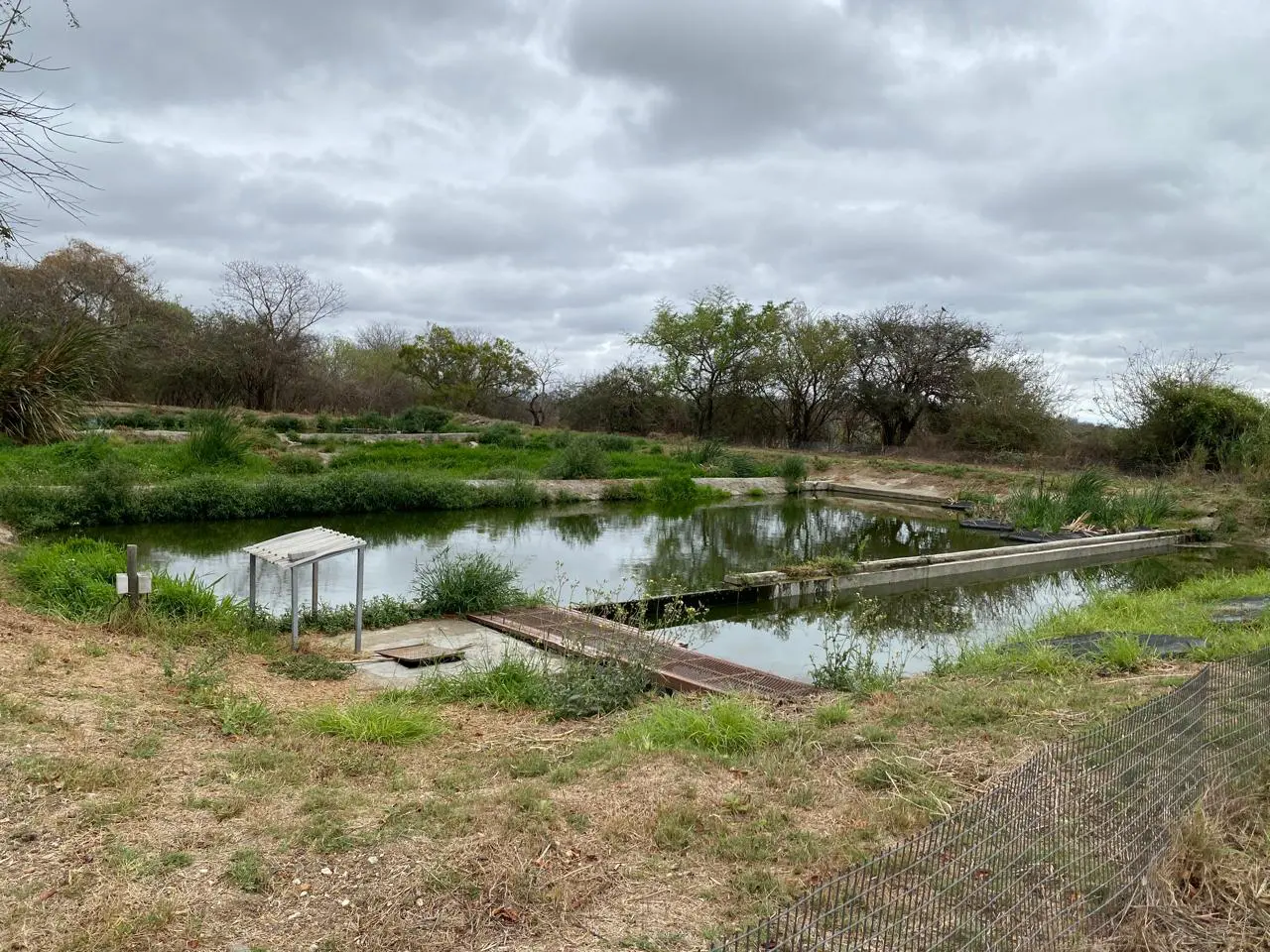
Reed beds are essentially natural filtration systems, using wetland plants and soil to treat wastewater in a contained environment. At the Southern African Wildlife College (SAWC), this system is more than a compliance measure; it is a research opportunity. The reed bed is being studied to determine how effectively it improves water quality and whether the treated water supports aquatic biodiversity, including fish, insects, amphibians, and aquatic plants.
Science in Action
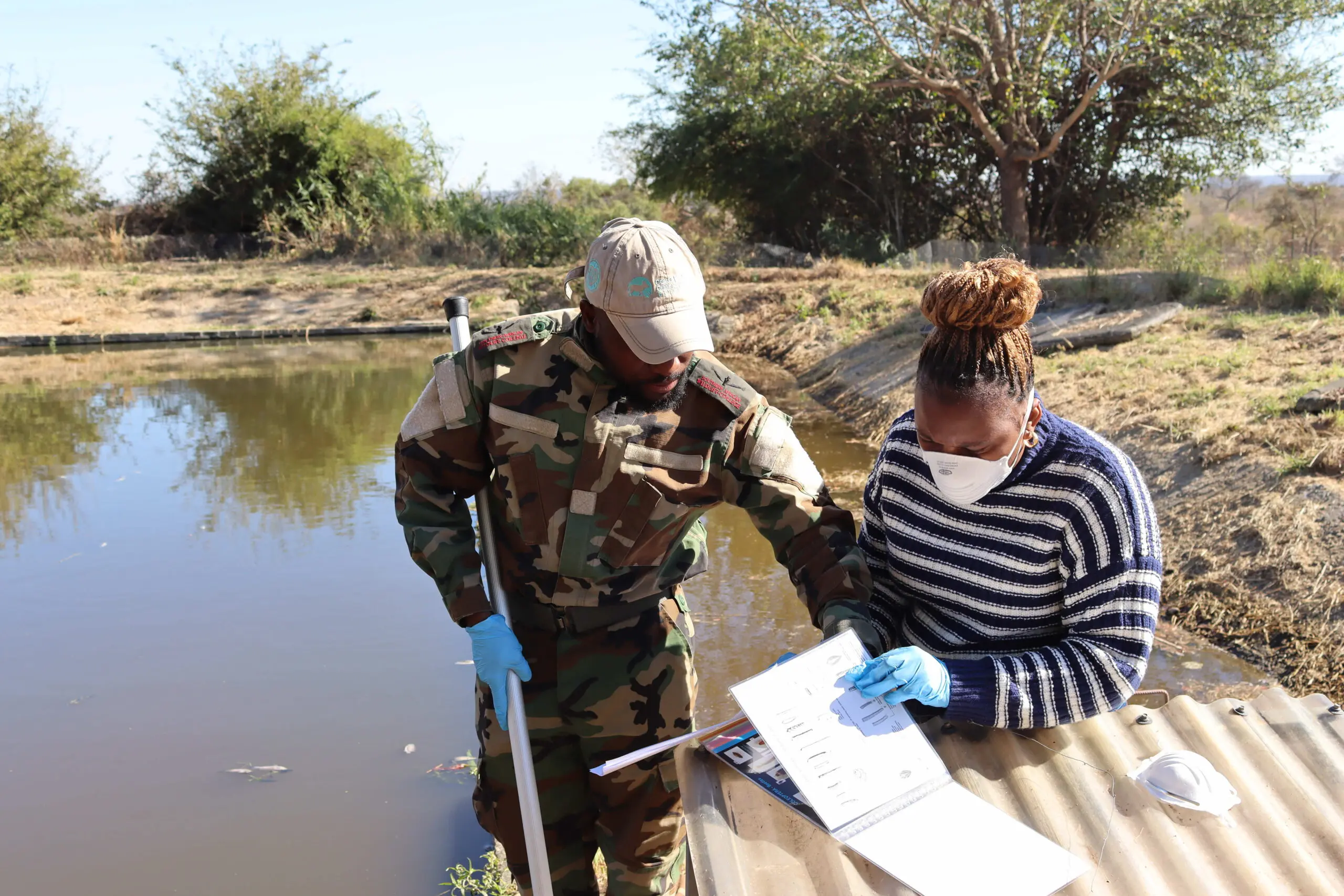
The project focuses on monitoring key water quality indicators at several points within the reed bed – from the inlet, through the middle, to the outlet. Parameters such as pH, turbidity, dissolved oxygen, and electrical conductivity are measured regularly. This data provides insight into the system’s efficiency and its potential as a cost-effective wastewater treatment method, particularly relevant for remote or conservation-sensitive areas.
More Than Just Clean Water
Beyond meeting regulatory requirements, the reed bed is a living, breathing ecosystem. Its gradual transition from an initially dry phase to a thriving wetland highlights its adaptability and ecological value. Over time, this system has created a refuge for small aquatic species, turning a functional treatment process into a hub of biodiversity on campus.
The research aims to generate scientific evidence that will guide wastewater management strategies in conservation areas. Natural treatment systems like reed beds offer a sustainable alternative to more energy-intensive, mechanical treatment methods, making them ideal for protected areas where ecological integrity is paramount.
The development of the reed bed at the SAWC was driven by the need for an environmentally sound solution to wastewater treatment. Its success demonstrates the College’s commitment to responsible resource management and innovation in conservation science. The findings from this project will not only refine on-site water management practices but could also serve as a model for other conservation organisations across the region.