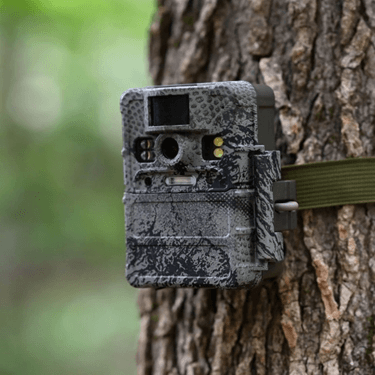
During the first quarter of the year, the Applied Learning and Research Department (ALRD) has been actively engaged in diverse ecological research activities. These include investigating the impact of tree cover on grass diversity, spearheaded by Mr Abraham Adilehou, a diligent master’s student from Benin, and exploring ant diversity in neighbouring farms, led by Dorice Akwi, an MSc ERAIFT student from Cameroon. ALRD’s commitment to employing innovative methodologies in ecological research is further demonstrated by Kudakwashe Musengi’s investigation into small mammal monitoring using camera traps and live traps in Maranda.
Master’s Student from Benin Explores Tree Cover's Impact on Grass Diversity, Abundance and Richness in Rubbervale.
By Marina Khoza
Mr. Abraham Adilehou, who hails from Benin, has embarked on a rigorous study in Rubbervale. He is conducting his research under the Applied Learning and Research Department (ALRD) of the Southern African Wildlife College (SAWC). Mr. Adilehou, a dedicated Master’s student, is collecting data in a savannah ecosystem that will provide insights into the intricate relationships between trees and grasses in South Africa’s savannah biome in Rubbervale.
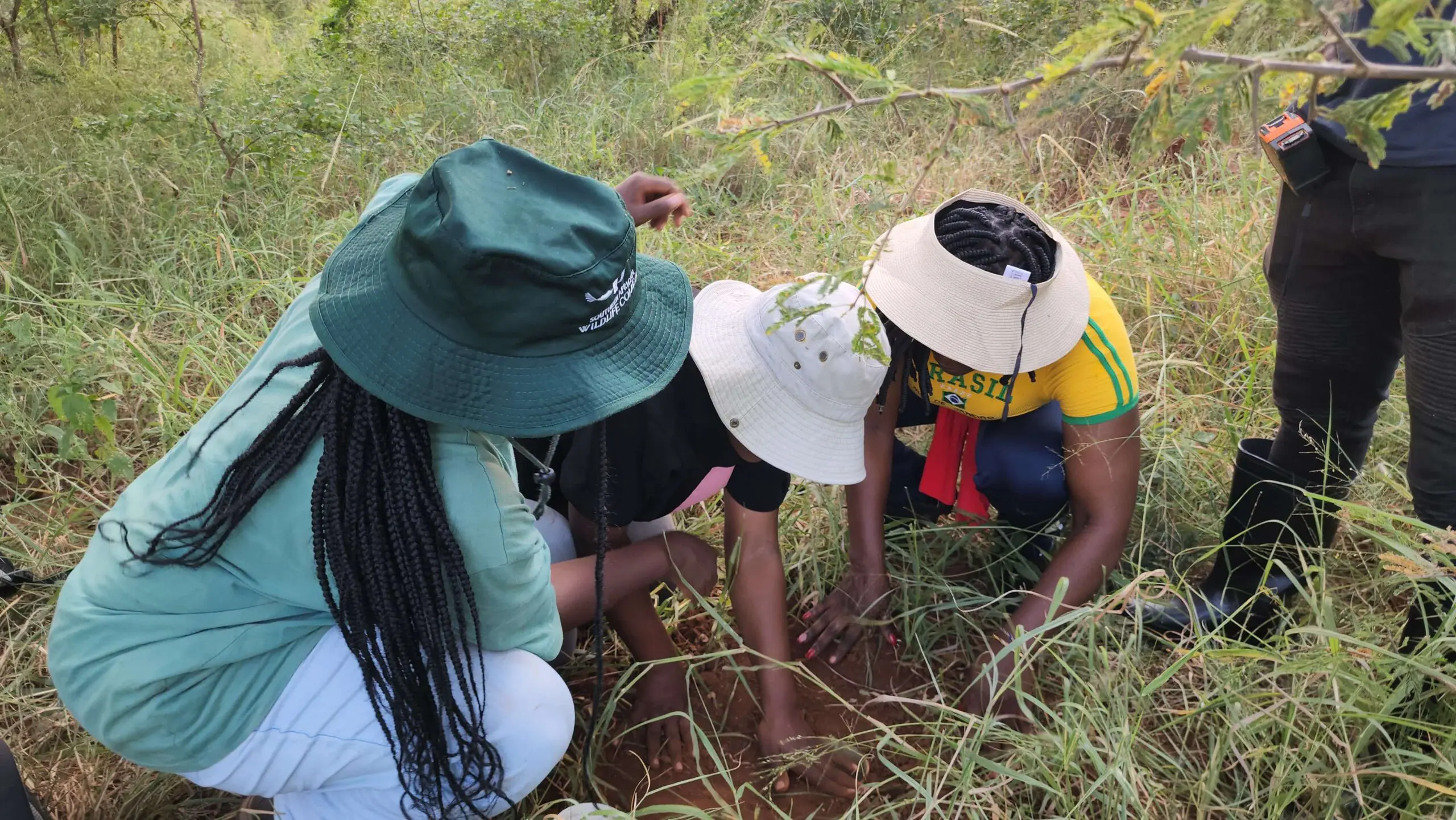
Accompanied by mentors Marina Khoza and Clifford Nxumalo from the ALRD department, Mr. Adilehou set out on his first data collection field trip on February 19th. The team’s focus lies in exploring how different land management systems affect tree cover and how the diversity, richness, abundance, and biomass of grass species will be impacted.
Rubbervale is nestled in Gravelotte, a mining community in the Limpopo province of South Africa, just 52 km northwest of Hoedspruit. There is a variety of woody species and a diverse set of fauna, including large predators, herbivores, birds, and reptiles. Three neighbouring farms – Maranda, Rubbervale Rockies, and Rubbervale – each employ distinct land management approaches.
Maranda implements a mix of traditional rotational grazing and gamekeeping, while Rubbervale Rockies opts for intensive grazing alongside game management. In contrast, Rubbervale has transitioned to rotational grazing exclusively, abandoning its previous gamekeeping practices.
Exploring Ant diversity: A Master’s Fieldwork Study in Gravelotte
By Marina Khoza
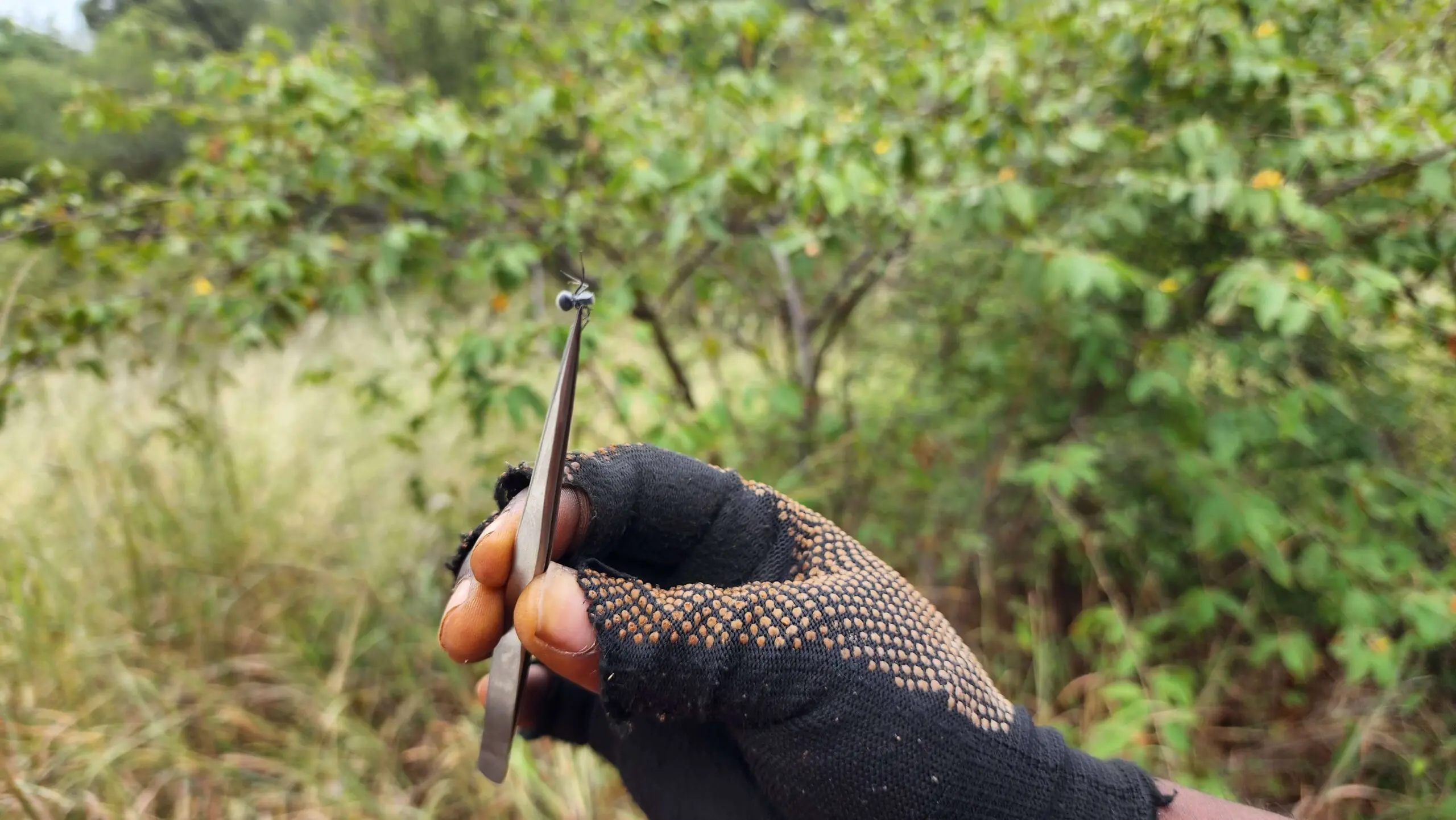
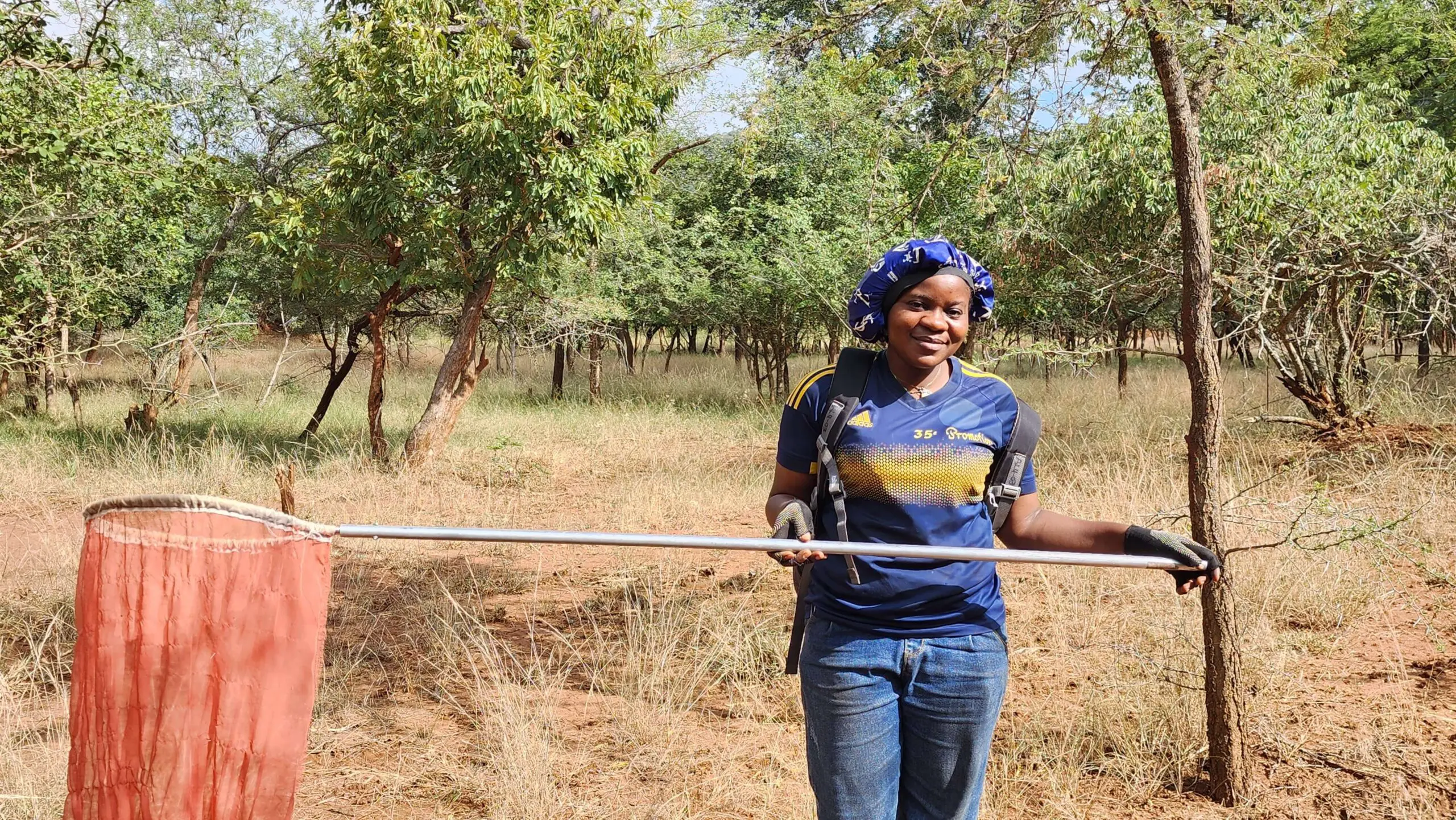
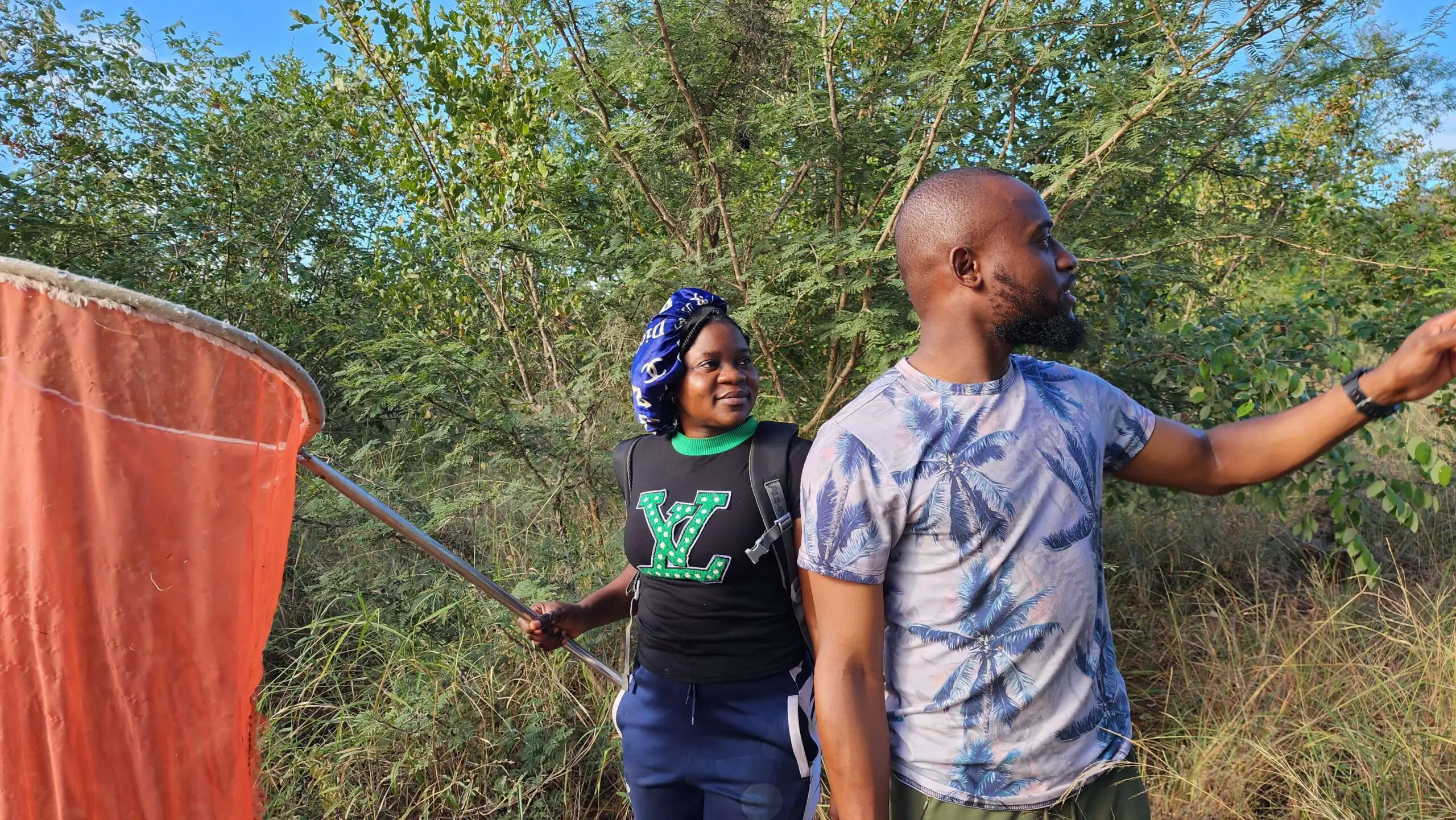
Dorice Akwi, a dedicated MSc ERAIFT (The Regional Post-Graduate Training School on Integrated Management of Tropical Forests and Lands) student from Cameroon, is delving into the fascinating world of ants to understand how different land use systems impact their diversity, abundance, and richness. This project, conducted as part of her master’s fieldwork survey, takes place in three farms neighboring each other. Dorice was assisted by Clifford Nxumalo, Abrahm Adilehou (her classmate from Benin), and Marina Khoza from the ALRD department.
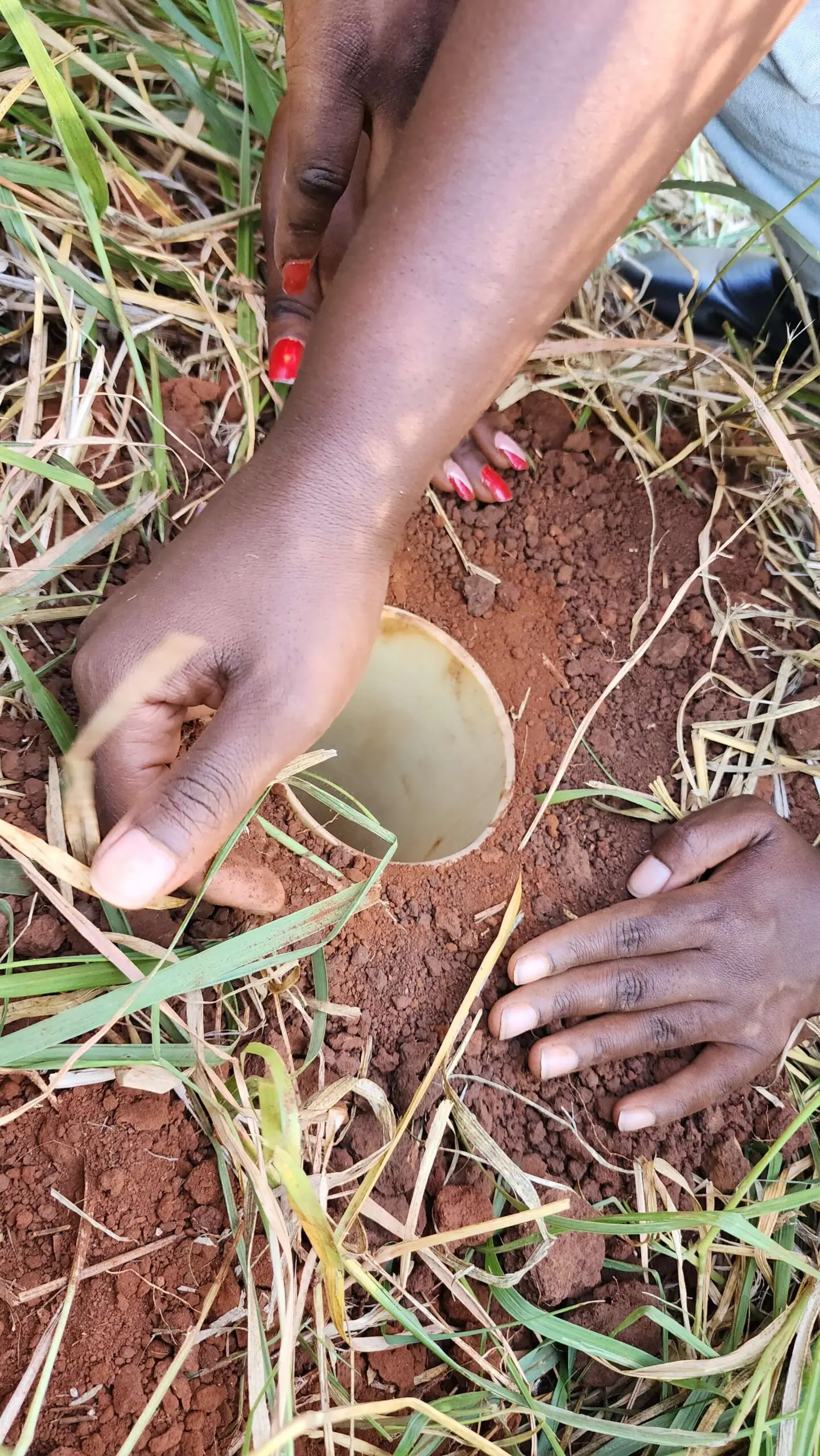
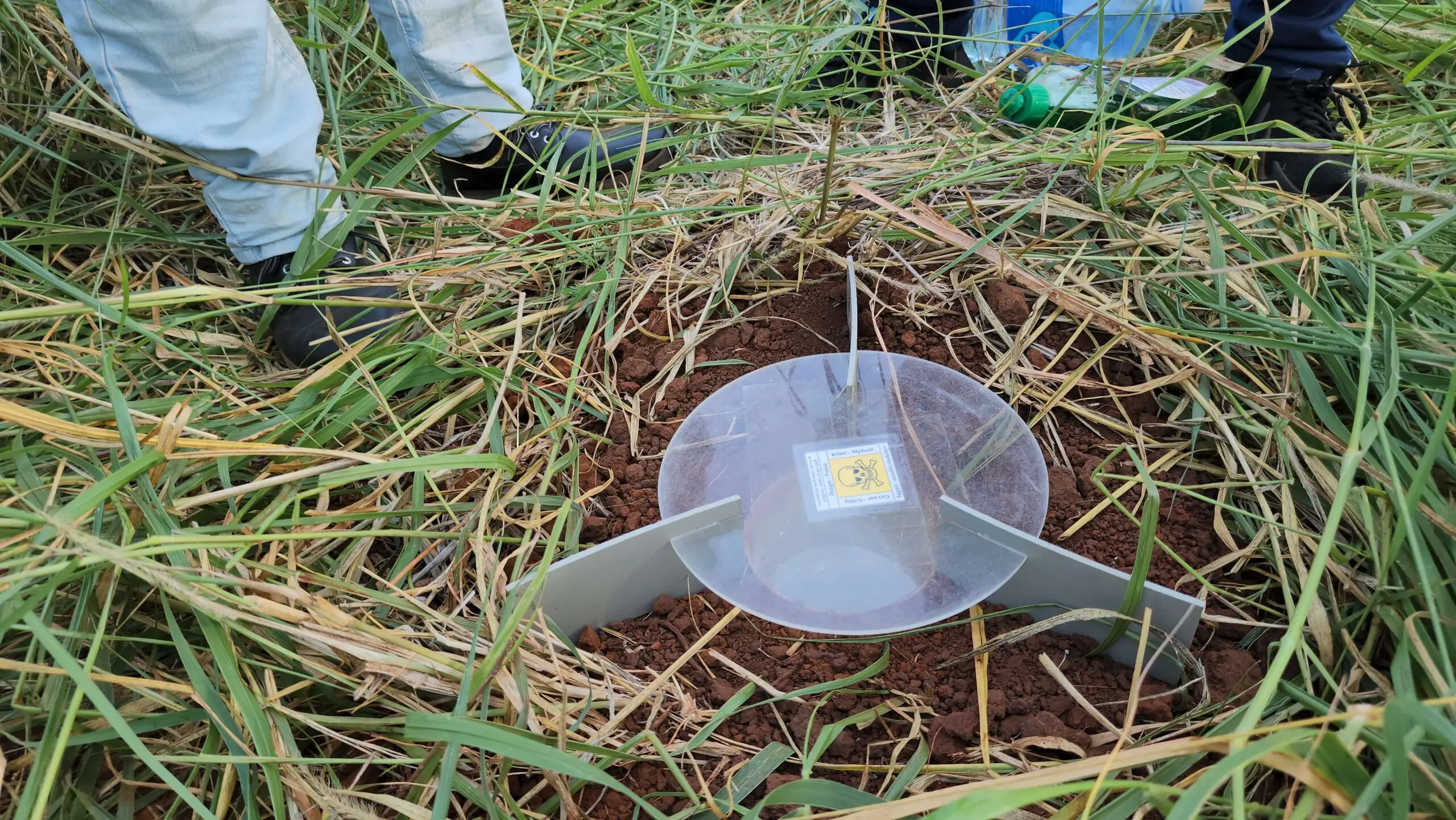
The methodology employed by Dorice for her MSc involves meticulous placement of pitfall traps along transects within the agricultural landscapes of Gravelotte. These traps allowed for the collection of ants during both morning (night time ant composition) and evening (afternoon ant composition).
Dorice’s research promises to shed light on crucial aspects of ecosystem dynamics in the Rubbervale farms that are under different forms of land use systems.
Monitoring Small Mammals by Camera and Live Traps in Maranda
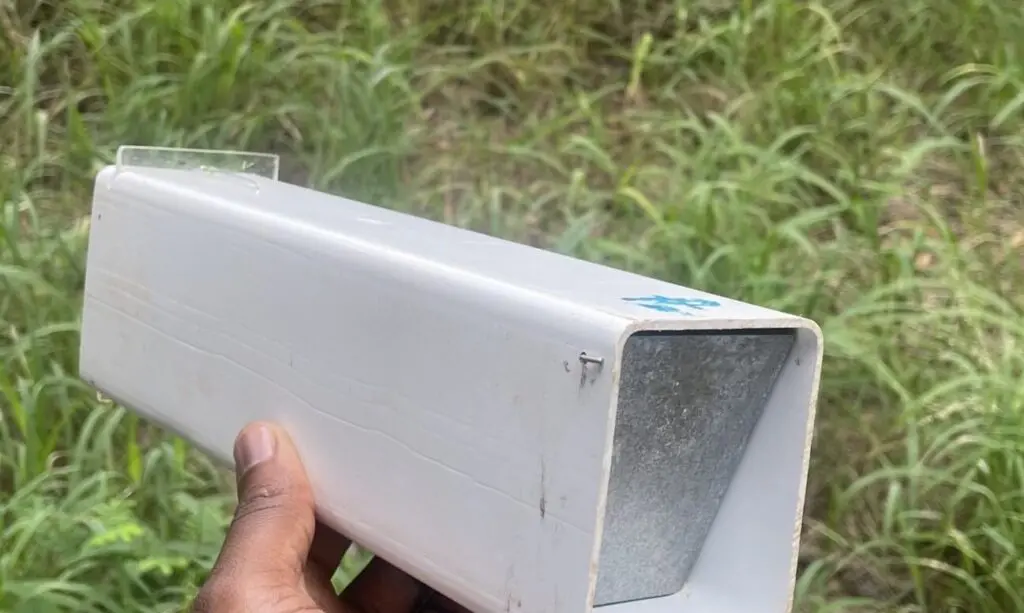
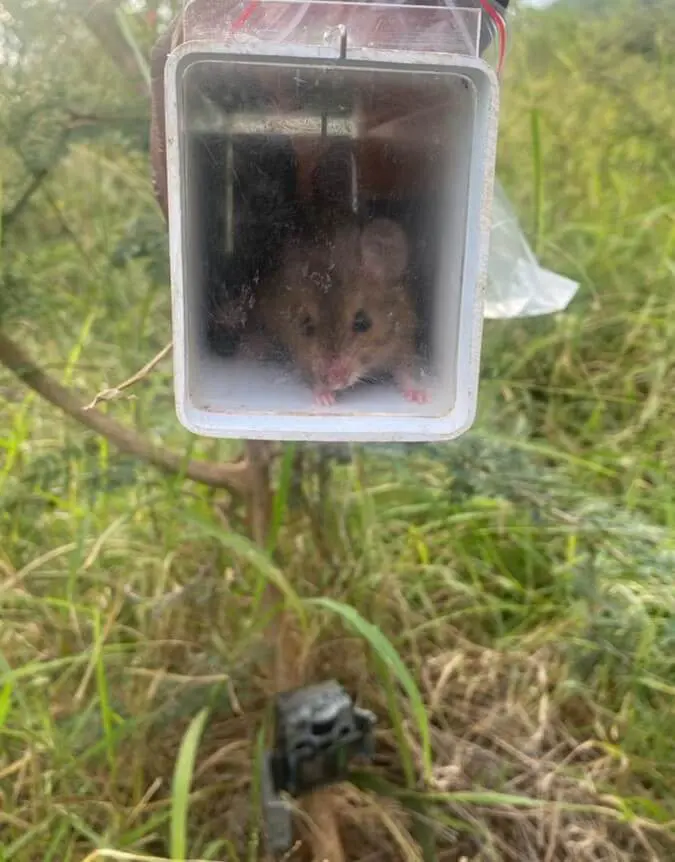
We used the Sherman trap, which is a box-style animal trap designed for the live capture of small mammals. Each trap was baited with a mixture of oats, peanut butter, and oil. The traps were checked in the morning from 06h00 to 09h00 and again in the afternoon from 15h00 to 18h00 every day.
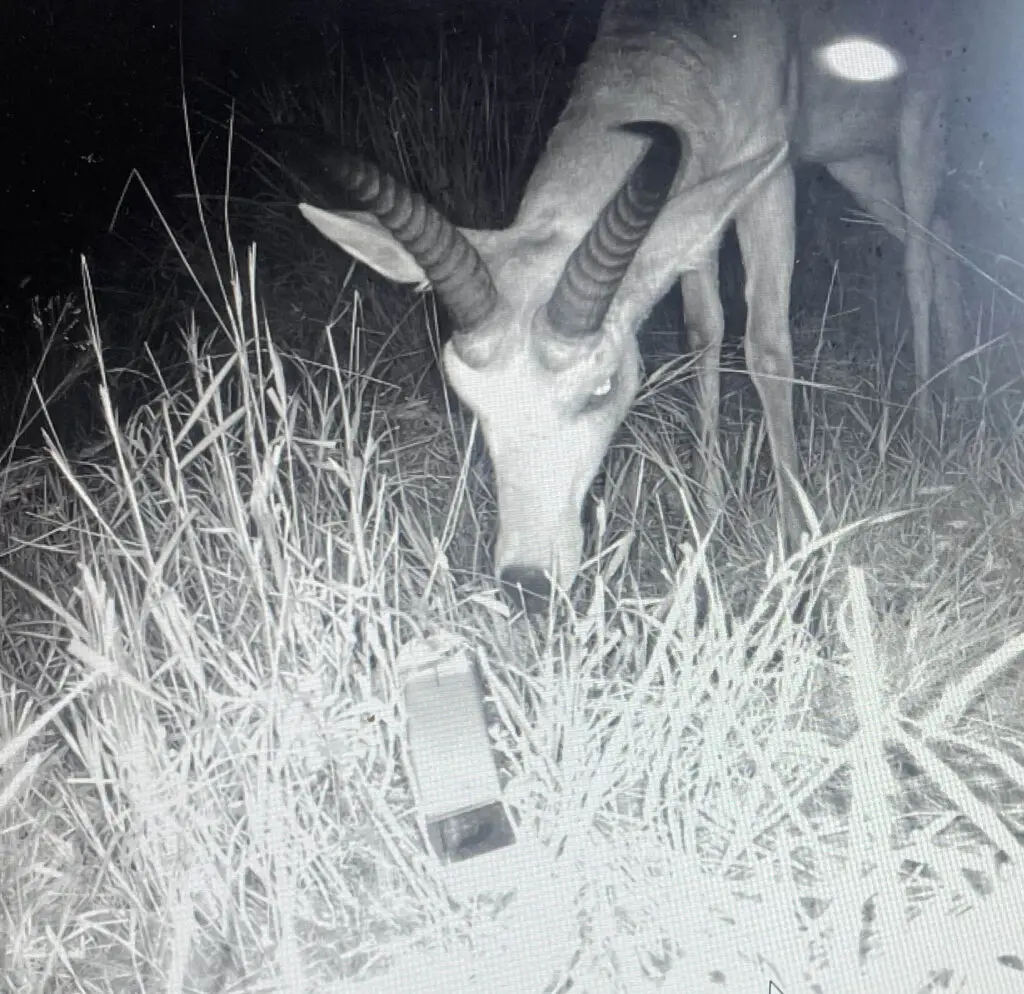
All captured small mammals were identified, weighed, measured (body length and tail length), and marked for identification of recaptured individuals before being released. Inspections and maintenance of the camera traps were also conducted in the morning and afternoon. We placed the live traps close to the cameras facing them. We utilized thirty Spartan camera trap models and thirty live traps. We are pleased that we obtained the necessary information on captured animals rapidly without causing undue stress or injury to either the animals or the researchers.