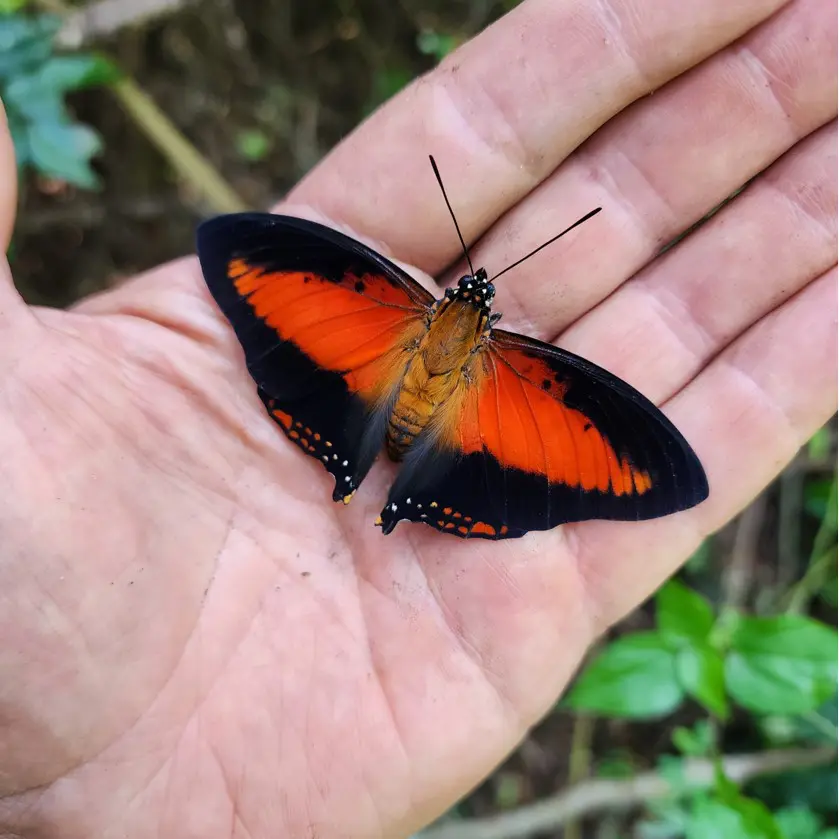
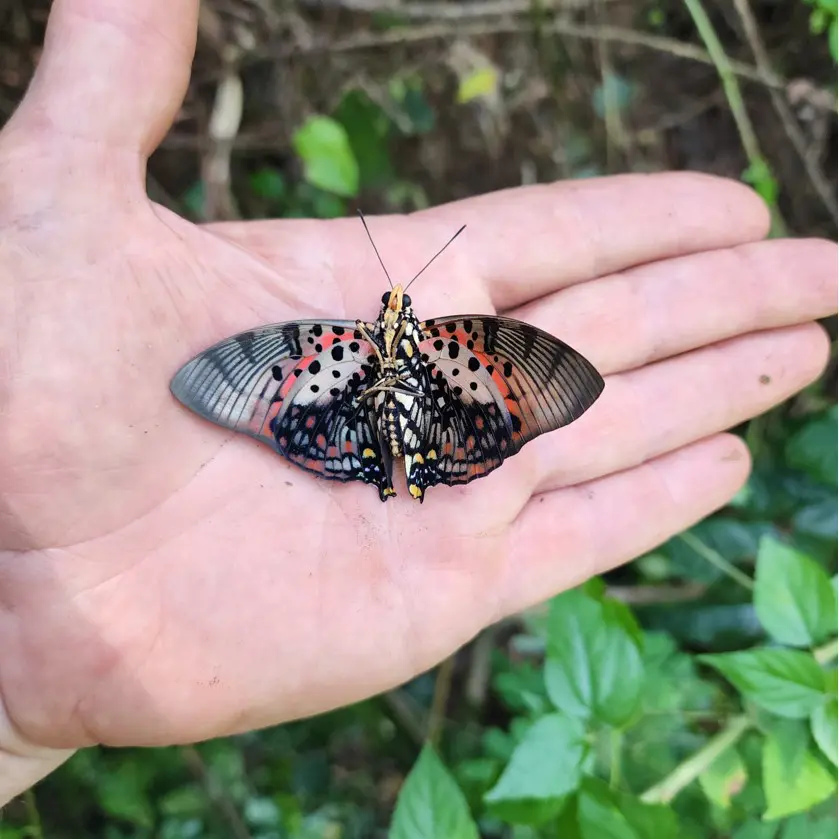
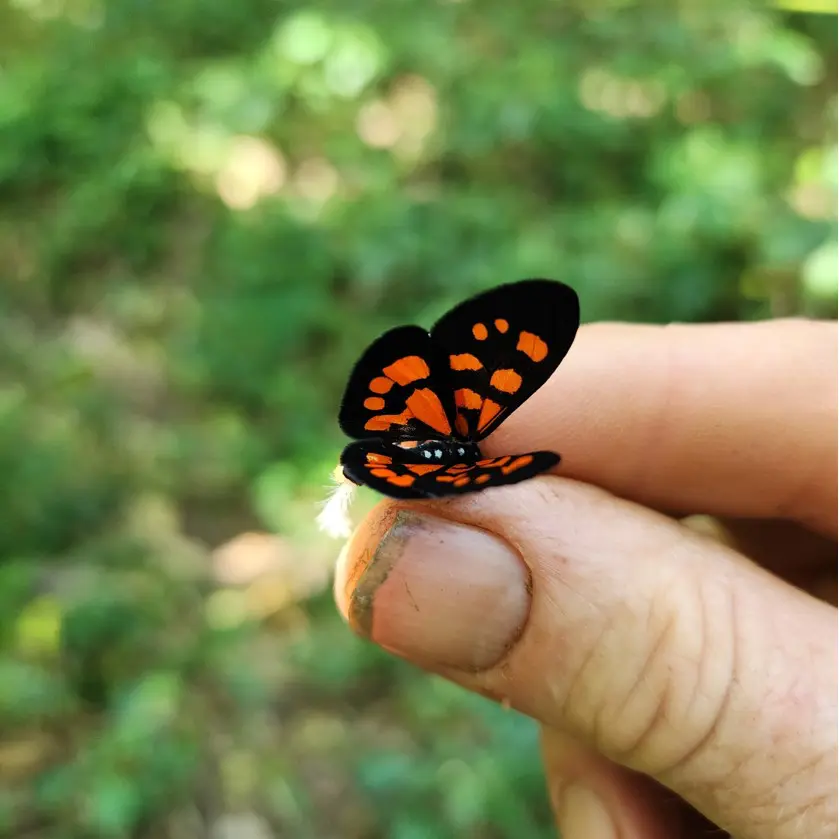
By Cliford Nxumalo – Research Assistant
Prof. Alan Gardiner and I (from the Applied Learning and Research Department), together with a field assistant, Shabani, went on a life-changing adventure in April 2024. This was my first time travelling outside South Africa to another African country. Travelling to Angola to collect endemic butterflies was an incredible and exhilarating experience for me.
We travelled in Professor Alan’s white van (which had experienced this journey before) and drove for thousands of kilometres, often on long, straight roads with barren landscapes that made me miss my bed at home. We stopped at certain points along the way and searched for suitable camping sites. This four-week field trip began with four (4) days of driving through Botswana and Namibia before finally reaching our chosen destination, Angola.
While the border crossings in South Africa, Botswana, and Namibia were smooth and efficient our arrival in Angola brought an unexpected six-hour delay as we awaited a car permit during a hot day. The distinct atmosphere of Angola became immediately apparent – roads demanded right-side driving, people were selling random goods along the roads, and the presence of many motorbikes added to the country’s unique character.
However, it was the natural beauty of Angola that truly captured my heart. The fantastic mountains, big rivers, and expansive landscapes, full of different species of butterflies left a lasting impression on me. On our first collection day, I was excited to collect as many butterflies as I encountered. I was, however, uncertain of their importance, especially in the middle of the thick vegetation, particularly in areas like Numba Mountain which presented its own challenges.
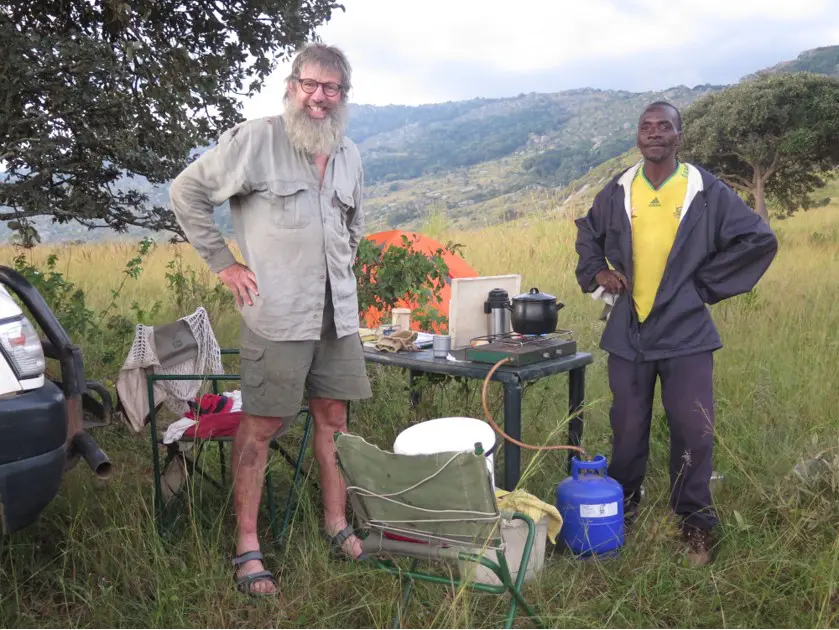
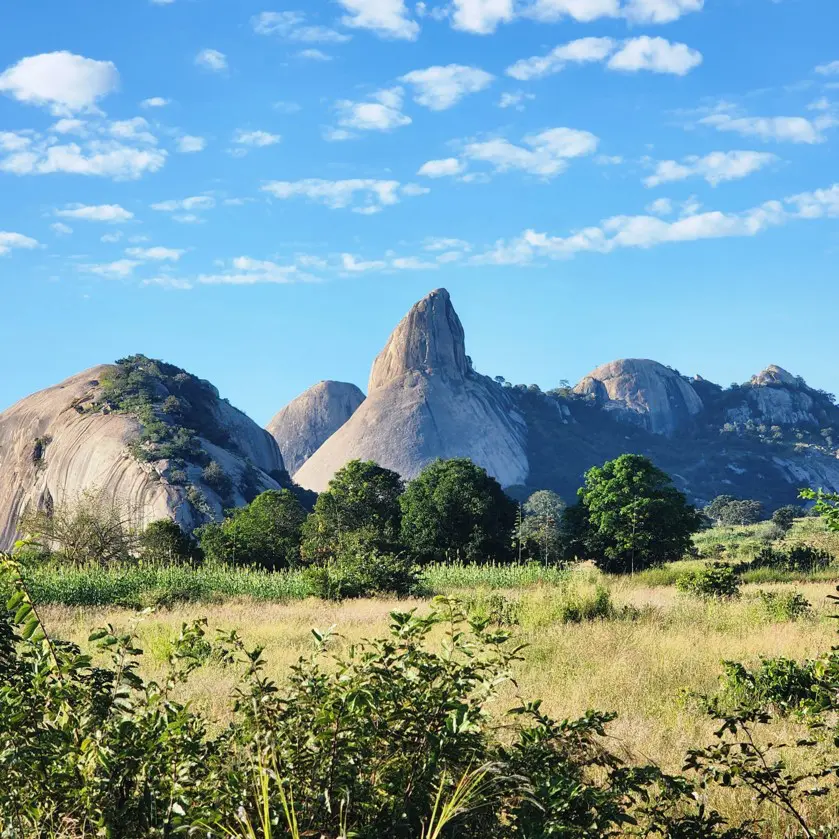
One of my most interesting experiences was that people from the villages carried machetes in the bush. It was scary at first because we thought they were carrying them for human conflict-related matters, but we soon realised that they were only using them to clear the way for themselves. Guided by Prof Alan, we went into the forested areas of Numba Mountain, where our target species awaited discovery. We hiked through the mountain, and conducting our research proved physically demanding, yet the experience was one we would never forget.
In addition to our scientific research, I took the opportunity to immerse myself in the local culture by learning Portuguese, the predominant language spoken in Angola. I reached this resolution following a minor setback when local police officers briefly detained us in a forest. Due to language barriers we struggled at first to explain to the police officers that we were only conducting research. Fortunately and thanks to the aid of translation apps we however managed to explain ourselves! This became one of our most memorable learning experiences but making sure that your language translation apps work in a foreign country is a must!
Reflecting on our Angola field trip, the experience changed my understanding of different cultures in Africa. Not only did it leave me with a deep appreciation for the region’s rich biodiversity and cultural diversity, but it also made me appreciate the diversity of lifestyles we have on our continent. It showed me that exploration extends beyond the discovery of new species—it encompasses a deeper understanding of the interconnectedness between nature and humanity.